
Breast Reduction Surgery
Find relief from the physical and emotional burden of overly large breasts. Dr. Kim performs breast reduction surgery to alleviate discomfort, improve proportion, and restore your quality of life.
SURGERY TIME
2-4 Hours
HOSPITAL STAY
Outpatient
RECOVERY
2-3 Weeks
INSURANCE
Often Covered
Relief from Overly Large Breasts
Breast reduction surgery, medically known as reduction mammaplasty, removes excess breast tissue, fat, and skin to create smaller, lighter, and more proportionate breasts. This life-changing procedure can alleviate chronic neck, back, and shoulder pain, eliminate skin irritation beneath the breasts, and allow you to engage in physical activities without discomfort or embarrassment.
Beyond physical relief, breast reduction often provides significant psychological benefits. Many patients report improved self-esteem, body image, and overall quality of life. Dr. Kim's approach focuses not only on reducing breast size but also on creating an aesthetically pleasing breast shape that complements your body frame while preserving sensation and, when possible, the ability to breastfeed.

Life-Changing Benefits
Experience relief and renewed confidence
Pain Relief
Eliminate chronic neck, back, and shoulder pain caused by the weight of excessively large breasts
Improved Clothing Fit
Wear standard-sized clothing and find bras that fit properly and provide adequate support
Better Proportion
Create breasts that are proportionate to your body frame and easier to manage
Skin Health
Resolve chronic rashes, irritation, and infections beneath the breasts and in bra strap grooves
Active Lifestyle
Exercise comfortably and participate in physical activities without pain or restriction
Enhanced Confidence
Feel more comfortable in your body and improve self-esteem with better-proportioned breasts
Common Symptoms of Overly Large Breasts
Physical and emotional challenges breast reduction addresses
Chronic Pain
Persistent neck, back, and shoulder pain from breast weight. Headaches and posture problems from compensation.
Activity Limitations
Difficulty exercising, running, or participating in sports. Breast pain during physical activity.
Sleep Problems
Discomfort sleeping on stomach or back. Interrupted sleep from breast weight and position.
Skin Irritation
Rashes, skin breakdown, and infections beneath breasts. Deep grooves from bra straps cutting into shoulders.
Psychological Distress
Self-consciousness about appearance. Unwanted attention. Difficulty finding properly fitting clothing.
Breathing Difficulty
Some patients experience shortness of breath or chest tightness from breast weight pressing on chest wall.
Breast Reduction Surgical Technique
Understanding the procedure
The Anchor (Inverted-T) Technique
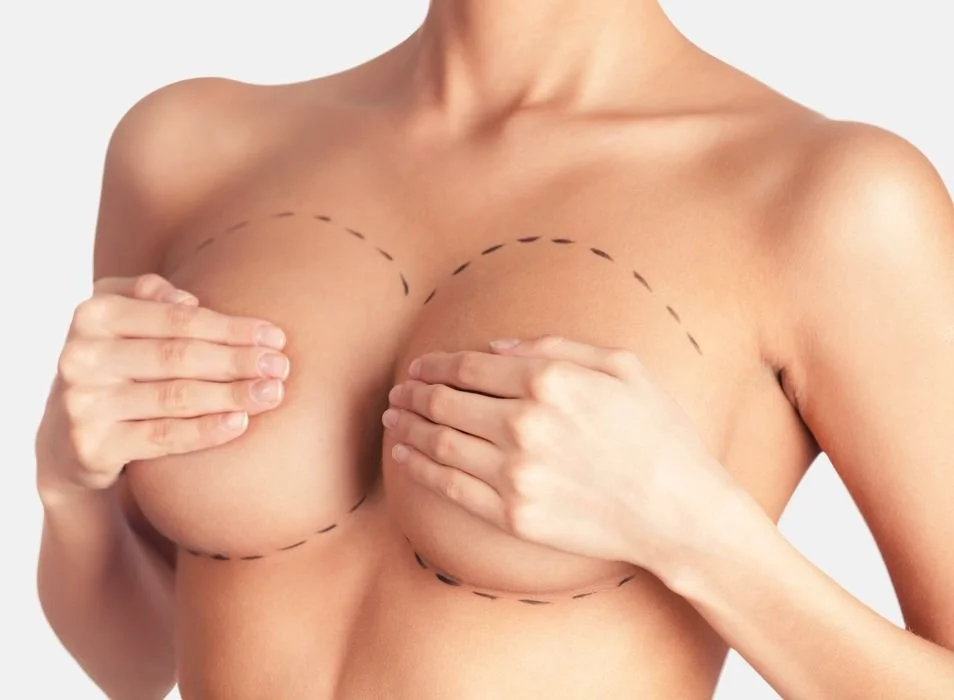
Dr. Kim uses the most common and versatile breast reduction technique, which involves three incisions that create an anchor-shaped scar pattern. This approach allows for maximum tissue removal, excellent reshaping capability, and optimal nipple repositioning while preserving blood supply and nerve sensation.
Around the Areola: Circular incision allows areola size reduction and nipple repositioning
Vertical Incision: Runs from bottom of areola down to breast fold, enables tissue removal and reshaping
Horizontal Incision: Follows natural breast crease, hidden in fold, allows skin removal and closure
Tissue Removal: Excess breast tissue, fat, and skin removed while preserving nipple sensation
Nipple Repositioning: Nipple-areola complex moved to higher, more youthful position
Breast Reshaping: Remaining tissue reshaped into smaller, lifted, more attractive breast
Liposuction: May be used on sides and underarm area for improved contour
Closure: Layered closure with dissolvable sutures for optimal healing and scar appearance
Preservation of Function: Dr. Kim takes great care to preserve milk ducts and nerves whenever possible, maintaining the potential for breastfeeding and nipple sensation in most patients. The nipple typically remains attached to its blood supply and nerves throughout the procedure.
Am I a Candidate for Breast Reduction?
Determining if breast reduction surgery is right for you
You May Be a Good Candidate If:
You experience chronic neck, back, or shoulder pain
You have deep grooves in shoulders from bra straps
You develop rashes or skin breakdown beneath breasts
You have difficulty exercising due to breast size
Your breasts limit physical activities or sports
You have poor posture from compensating for breast weight
You're self-conscious about your breast size
You have difficulty finding properly fitting clothing/bras
Your breasts are fully developed (usually 18+)
You're at a stable, healthy weight
You have realistic expectations about results
You don't smoke or are willing to quit
You May Not Be a Candidate If:
You're currently pregnant or breastfeeding
You plan to have children very soon
You have uncontrolled diabetes or heart disease
You have active breast infection or inflammation
You smoke heavily and won't quit
You have unrealistic expectations about scarring
You're significantly overweight (may delay surgery)
You have blood clotting disorders
You're not prepared for recovery time and restrictions
You have unresolved breast masses or abnormalities
Breast Reduction: Starting at $10,000
This Includes:
Board-certified plastic surgeon with 25+ years experience
All surgical fees and anesthesia
Post-surgical support bra
Accredited surgical facility
Post-operative care and follow-up visits
On-Q Pain Relief System for enhanced comfort
Variables Include:
Amount of tissue to be removed
Nipple repositioning technique
Liposuction for side contouring
Advanced scar minimization protocol
Correction of severe asymmetry
Final investment depends on breast size, technique complexity, and individual anatomy.
Most patients invest $11,000-$16,000
💡 Insurance Coverage Often Available
Breast reduction is frequently covered by health insurance when deemed medically necessary. Coverage typically requires documented symptoms (pain, rashes, grooves), conservative treatment attempts (physical therapy), and minimum tissue removal requirements. Our office assists with insurance pre-authorization and documentation. Even with insurance approval, patients are responsible for deductibles and co-insurance amounts.
Frequently Asked Questions
-
Many insurance plans cover breast reduction when medically necessary. Requirements typically include: documented chronic pain, physical therapy attempts, minimum tissue removal (often 400-600g per breast), photos showing symptoms like rashes or bra strap grooving, and BMI below certain threshold. Our office helps with pre-authorization and documentation. Coverage approval rates vary by insurer.
-
Final size depends on amount of tissue removed, your body frame, and aesthetic goals. During consultation, Dr. Kim will discuss your desired cup size and what's achievable while maintaining breast shape and proportion. Most patients choose to go down 2-4 cup sizes. Some prefer being as small as possible, while others want moderate reduction. Insurance requirements may influence minimum tissue removal.
-
While Dr. Kim preserves milk ducts and nerves whenever possible, breast reduction can affect breastfeeding ability. The more tissue removed, the higher the risk. Some women can breastfeed successfully after reduction, while others cannot. If future breastfeeding is very important to you, discuss this during consultation. Some patients choose to delay surgery until after having children, while others proceed knowing the risks.
-
Breast reduction creates anchor-shaped scars: around the areola, vertically down to the breast fold, and along the fold. Initially, scars are red/pink and noticeable. Over 12-24 months, they fade to thin white lines. Most women feel the dramatic improvement in symptoms and appearance far outweighs the scarring. Scars are usually well-hidden under bras and swimwear. Scar appearance varies based on genetics, skin type, and healing.
-
Most patients return to desk work in 2 weeks. Physical jobs requiring lifting may need 4-6 weeks off. Light walking is encouraged immediately. No upper body exercise, heavy lifting, or raising arms overhead for 4-6 weeks. Lower body cardio at 3 weeks. Full unrestricted activity including contact sports at 6-8 weeks. Listen to your body and follow Dr. Kim's specific guidelines.
-
Temporary changes in nipple sensation are common—either increased or decreased sensitivity. Most patients regain normal sensation within several months. Permanent loss of sensation is uncommon (5-10%) when surgery is performed by an experienced surgeon like Dr. Kim who preserves nerve connections. Sensation changes are more likely with very large reductions or when nipple must be completely detached and repositioned.
-
Results are generally permanent if you maintain stable weight. However, factors like pregnancy, breastfeeding, significant weight changes, and aging will affect breast size and shape over time. Some patients experience minor regrowth of breast tissue, but rarely return to original size. Most women report sustained relief from pain and physical symptoms even if breasts change somewhat with aging.
-
Ideally, you should be at or near your goal weight before surgery. Weight loss after breast reduction can cause additional sagging and skin laxity. Weight gain can increase breast size again. Insurance companies often require BMI below 35-40 for approval. Dr. Kim may recommend reaching a stable weight first to optimize your results and reduce surgical risks. Some patients pursue bariatric surgery before breast reduction.
Ready for Relief from Overly Large Breasts?
Schedule a consultation to discuss breast reduction surgery with Dr. Kim