
Rapid Recovery Breast Augmentation San Francisco: 7 Steps to a Faster Healing Process
Overview
Rapid recovery breast augmentation combines precise surgical technique with long-acting injectable numbing medicine to get you back to your normal routine in days, not weeks.
The numbing injection lasts up to 72 hours and it's included in the cost of your procedure.
The vast majority of my patients only need Tylenol after surgery. Narcotics are rarely necessary.
What you do before and after surgery matters as much as what happens in the operating room: prep your space, eat well, wear your bra, and elevate.
For the full picture on breast augmentation options, start here: [LINK: Breast Augmentation Hub]
1. Recovery Starts Before Your Surgery Date
This surprises people, but what you do the week before surgery has a real impact on how you feel afterward. I tell my patients in Pacific Heights, the Marina, and across the Bay Area the same thing: prep your recovery space like you're checking into a hotel for a few days.
Here's what I recommend:
Set up your bed or recliner with extra pillows so you're sleeping slightly elevated from night one
Stock your nightstand with water, your phone charger, Tylenol, and a few snacks
Clear a path from your bed to the bathroom. No shoes, laundry, or anything to trip over at 2 a.m.
Prep a few easy meals or stock up on high-protein options (more on that in section 7)
These sound like small details. They're not. Every patient who takes prep seriously tells me the same thing afterward: those first 48 hours were way more comfortable than they expected.
2. Less Anxiety Means Less Pain
I've seen this over and over in 25 years of practice: the patients who feel the most prepared going into surgery report the least discomfort afterward. There's a physiological reason for that.
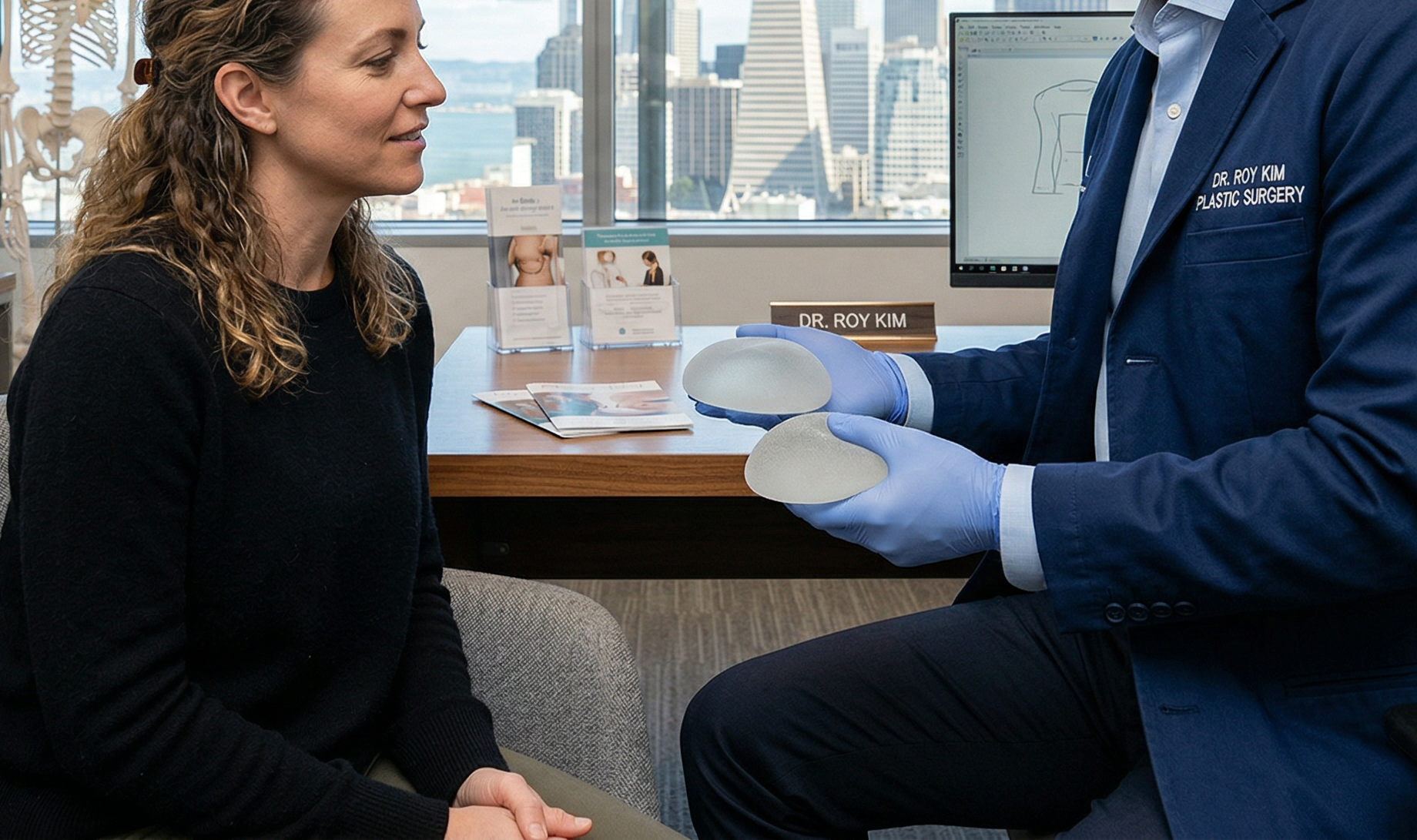
When you're anxious, your body produces more cortisol and adrenaline. Both amplify pain signals. So one of the best things I do for your recovery happens in the consultation room, not the OR. I answer every question. We go through your surgical plan in detail. By the time you walk into my Sutter Street office on surgery day, you know exactly what to expect, how long it takes, what the first few days look like. That level of preparation changes how your body responds to the procedure.
3. Precise Pocket Creation During Surgery
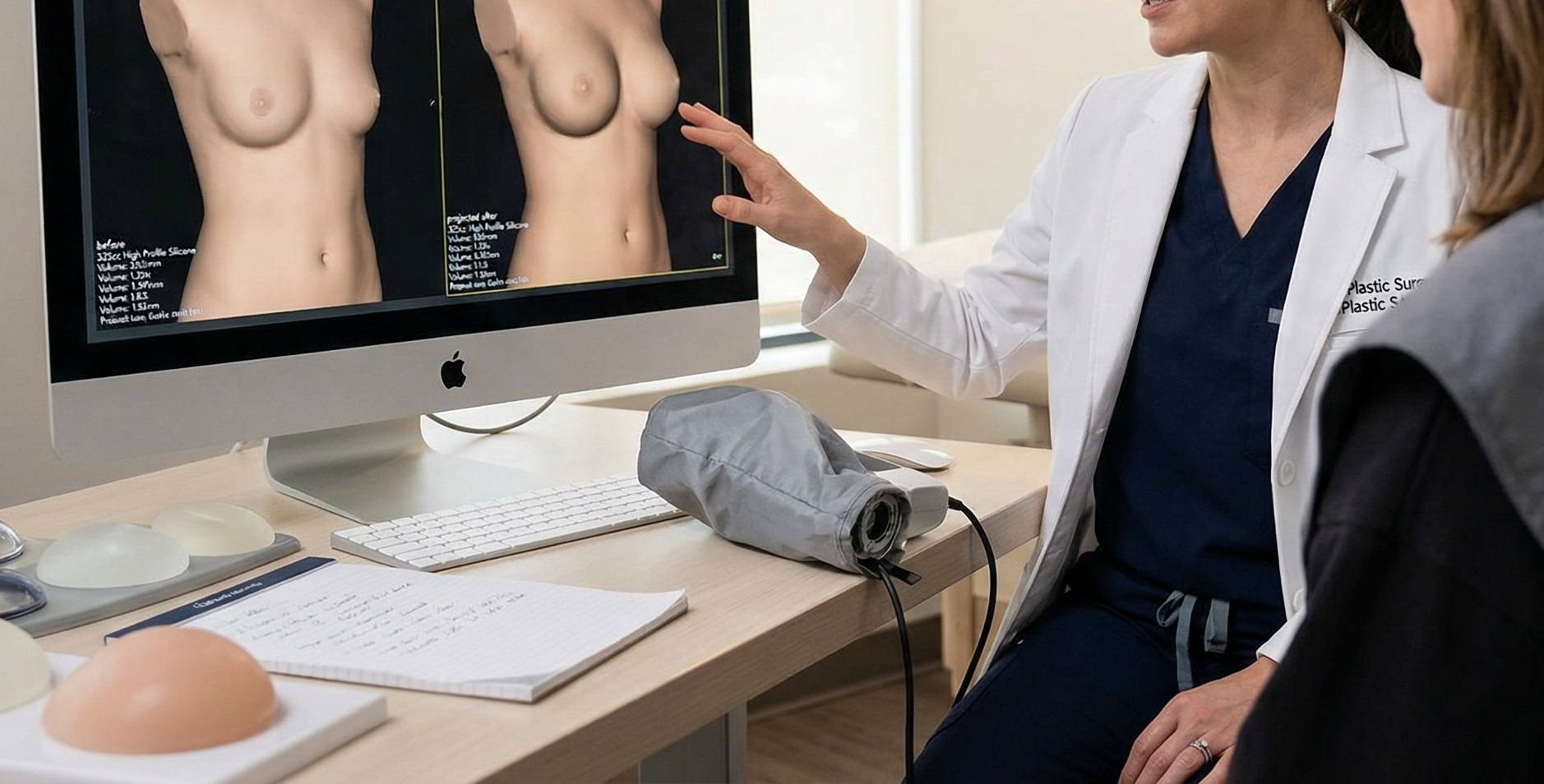
Surgical technique directly affects your comfort level. During a breast augmentation, I create a pocket for the implant. The more precise that pocket is, the less tissue trauma, the less bleeding, and the less post-operative soreness.
I don't over-dissect. The pocket should fit the implant snugly, without excess space that leads to unnecessary swelling or shifting. A tight, well-planned pocket also means less bruising. This is one of those things that comes with years of doing this specific procedure, and there's no shortcut for it.
4. Long-Acting Injectable Numbing Medicine
Right at the end of your procedure, before you wake up, I inject a long-acting numbing medication directly into the surgical site. Not a pill. Not an IV drip. It goes exactly where you need it, and it lasts up to 72 hours.
Those first three days are the most uncomfortable part of any breast augmentation recovery. By blocking pain signals at the source during that window, the experience is dramatically different from what patients expect. I had a patient from Nob Hill last year, a litigation attorney who cleared her schedule for two weeks. She called my office on day three asking when the pain was supposed to start. I hear some version of that story regularly.
I want to be clear about the cost: this is included in every breast augmentation I perform. No extra charge, no upsell. I consider it a standard part of the procedure, not a premium add-on.
5. Why Tylenol Is Usually All You Need
Between the numbing injection and proper surgical technique, prescription painkillers are rarely necessary. Tylenol handles the rest.
Why does this matter? Because narcotics come with side effects that actively slow down your recovery:
Nausea and vomiting, which puts strain on your chest muscles and incisions
Constipation, which is uncomfortable on its own and worse when you're trying to rest
Drowsiness and mental fog, which keeps you in bed longer than necessary
I still prescribe a small supply of stronger medication as a safety net. The reality is that the bottle usually goes unopened. When you skip narcotics, you eat sooner, move sooner, and feel like yourself sooner. Everything about your recovery accelerates.

6. Your Post-Surgery Bra and Elevation Strategy
Two simple things make a noticeable difference in swelling and comfort: wearing your surgical bra and keeping your chest elevated. The bra provides gentle compression that supports the implants in position and reduces swelling. Think of it like a snug sports bra. I ask patients to wear it around the clock for the first few weeks, except when showering.
Elevation is the other piece. Sleeping slightly propped up, whether in a recliner or with a wedge pillow, helps fluid drain away from the surgical site rather than pooling in your chest. Less swelling means less pressure, and less pressure means less discomfort. I get asked about sleeping positions a lot. Stay on your back, slightly reclined, for the first couple of weeks. A lot of my Marin and East Bay patients find that a travel neck pillow keeps them from rolling onto their side at night.
7. Smart Nutrition for Faster Healing
Your body needs fuel to heal. Focus on a high-protein, well-rounded diet after surgery. Protein is the building block your body uses to repair tissue. Chicken, fish, eggs, Greek yogurt, beans. Nothing complicated.
If you're worried about getting enough, a simple protein powder mixed into a smoothie works fine. A basic multivitamin is a reasonable addition. But I don't think the average patient needs to go overboard with supplements, specialized recovery shakes, or expensive wellness protocols. Eat real food, stay hydrated, and your body will do the rest.
Myths About Breast Augmentation Recovery
Myth: "You'll be bedridden for a week after breast augmentation."
Not with this approach. I see patients up and walking the same day, doing light daily activities within 24 to 48 hours, and back to desk work within a few days. Strenuous exercise takes longer, but the couch-bound recovery image is outdated.
Myth: "You'll need heavy painkillers."
This was true 15 or 20 years ago. With long-acting numbing medicine and a multimodal approach, narcotics are the exception now, not the rule. Tylenol handles it for nearly all of my breast augmentation patients.
Myth: "Recovery timelines are the same for everyone."
A 28-year-old getting her first augmentation and a 52-year-old combining augmentation with a lift will have different timelines. I set expectations based on your specific procedure, anatomy, and lifestyle during your consultation
Frequently Asked Questions
-
Up to 72 hours. That covers the most uncomfortable window of recovery.
-
In my experience, no. I prescribe a small supply as a safety net, but it typically goes unused. The combination of the long-acting numbing injection and Tylenol is enough.
-
Prioritize protein and whole foods:
Chicken, fish, eggs, beans, leafy greens
Plenty of water throughout the day
A protein shake if getting enough protein feels difficult
You don't need expensive recovery kits or specialized nutrition programs. A basic multivitamin is a reasonable supplement, but real food is the priority.
-
It depends on your job. Patients with desk jobs in the Financial District or South San Francisco are typically back within three to five days. Jobs requiring lifting or physical activity take longer, usually four to six weeks for full clearance.
-
No. Everything I've described in this article is part of my standard breast augmentation fee.
-
It works well for nearly all healthy candidates. During your consultation, I evaluate your anatomy, health history, and goals to confirm the best plan. Revision cases or patients with certain medical conditions sometimes need adjusted protocols, but the core approach of minimizing tissue trauma and maximizing comfort applies broadly.
Summary
Rapid recovery breast augmentation isn't a single technique. It's a system: preparation before surgery, precise pocket creation, a 72-hour numbing injection, Tylenol instead of narcotics, compression, elevation, and good nutrition. Each piece builds on the others. The result is less pain, fewer side effects, and a faster return to your normal life.
Schedule Your Consultation
If you have questions about breast augmentation recovery or want to find out whether you're a good candidate, I'm happy to talk through it. Call my office at 415-362-1846 or visit us at 450 Sutter Street, Suite 1440, in San Francisco. I also see patients at my Alameda location at 1403 Park Street.
[LINK: Breast Augmentation Hub]
[LINK: Breast Augmentation Cost in San Francisco]
[LINK: Breast Implant Options]
Follow and Connect with me on my social media!