
Eyelid Surgery (Blepharoplasty)
Rejuvenate tired, aging eyes with upper or lower eyelid surgery. Remove excess skin, eliminate bags, and restore a bright, youthful appearance.
SURGERY TIME
1-3 Hours
ANESTHESIA
Local or General
RECOVERY
1-2 Weeks
RESULTS
10-20 Years

Restore Youthful, Alert Eyes
Your eyes are often the first feature people notice—and the first to show signs of aging. Drooping upper eyelids, puffy bags under the eyes, and excess skin can make you look tired, older, and less approachable, even when you feel energetic and vibrant inside.
Eyelid surgery (blepharoplasty) is one of the most popular and transformative facial rejuvenation procedures. Whether addressing heavy upper lids that impair vision, puffy lower lid bags, or both, Dr. Kim creates natural-looking results that restore a refreshed, youthful appearance while maintaining your unique eye shape and ethnic features.
Transformative Benefits
Refresh your entire appearance
Eliminate Heavy Eyelids
Remove excess upper eyelid skin that creates hooded appearance and may impair peripheral vision
Brighter, Alert Eyes
Look more awake, energetic, and approachable by opening up the eye area
Reduce Under-Eye Bags
Eliminate puffy lower eyelid bags caused by fat herniation and excess skin
Improved Vision
Restore peripheral vision blocked by severely drooping upper eyelids (functional improvement)
Smooth Wrinkled Skin
Tighten and smooth crepey, wrinkled eyelid skin for more youthful appearance
Natural Results
Achieve refreshed appearance while maintaining your natural eye shape and ethnic features
Eyelid Surgery Options
Customized to your specific needs
Lower Eyelid Surgery (Lower Blepharoplasty)
Eliminates Under-Eye Bags & Dark Circles
Lower blepharoplasty removes or repositions bulging fat pads and excess skin under the eyes to eliminate puffy bags and create a smoother, more youthful under-eye area.
Two Incision Options: Just below lash line (skin visible) or inside eyelid (transconjunctival, no visible scar)
Fat Removal/Repositioning: Eliminates bulging fat causing "bags" or repositions to fill tear trough hollow
Excess Skin Removal: Tightens loose, wrinkled lower eyelid skin if present
Transconjunctival Approach: For younger patients with fat bags but good skin, no visible scar
Fat Repositioning: Can fill hollow tear trough area for smoother transition
Muscle Tightening: Lower eyelid muscle can be tightened for additional support
Laser Resurfacing Option: Can add laser to tighten skin and improve texture
More Complex Recovery: 2 weeks to look presentable, swelling lasts longer than upper
Risk of Complications: Slightly higher than upper (dry eyes, ectropion if overtightened)
Asian Double Eyelid Surgery
Creates Natural Upper Eyelid Crease | Preserves Ethnic Identity
Asian blepharoplasty creates a natural-looking upper eyelid crease (supratarsal fold) for patients born without one or with a very low/faint crease. Dr. Kim specializes in techniques that enhance the eyes while maintaining ethnic features.
Creates Eyelid Crease: Forms natural-looking supratarsal fold typically absent in Asian eyes
Two Techniques: Incisional (permanent, can remove fat/skin) or non-incisional suture method
Customized Height: Crease height tailored to facial anatomy and desired look (subtle to more prominent)
Fat Pad Reduction: Can reduce fullness in upper lid for more defined appearance
Epicanthoplasty Option: Can modify inner corner fold (epicanthal fold) if desired
Preserves Ethnic Features: Enhances eyes while maintaining Asian characteristics
Natural Appearance: Avoids "Western" or "operated" look
Quick Recovery: 7-14 days to look natural
Permanent Results: Incisional method provides lifelong crease
Combined Upper & Lower Blepharoplasty
Comprehensive Eye Rejuvenation | Single Recovery
Many patients benefit from addressing both upper and lower eyelids simultaneously for comprehensive eye rejuvenation. This provides dramatic improvement while requiring only one recovery period.
Complete Eye Rejuvenation: Addresses all concerns—drooping upper lids and lower lid bags
Single Recovery: One surgery and recovery period vs. two separate procedures
Cost Savings: Less expensive than two separate surgeries
Balanced Results: Ensures upper and lower lids complement each other
Common Combination: Often performed with facelift or brow lift for full facial rejuvenation
Longer Surgery: 2-3 hours for combined procedure
More Swelling: Expect more significant swelling when both done together
Upper Eyelid Surgery (Upper Blepharoplasty)
Most Common | Addresses Hooded, Drooping Lids
Upper blepharoplasty removes excess skin and sometimes fat from the upper eyelids to eliminate the hooded, heavy appearance that makes eyes look tired and can impair vision. This is the most commonly requested eyelid procedure.
Incision Placement: Hidden in natural upper eyelid crease, virtually invisible when healed
Excess Skin Removal: Eliminates drooping, hooded skin that weighs down upper lid
Fat Removal/Repositioning: Addresses bulging fat pads if present
Opens Eye Appearance: Creates more visible eyelid and brighter, alert look
Vision Improvement: Can restore peripheral vision blocked by severe drooping
Makeup Application: Easier to apply eyeshadow with visible lid space
Insurance Coverage: May be covered if impairs vision (requires visual field testing)
Quick Recovery: Most presentable at 7-10 days
Long-Lasting: Results typically last 10-20 years
Can Combine: With brow lift for comprehensive upper face rejuvenation
Am I a Candidate for Eyelid Surgery?
Determining if blepharoplasty is right for you
You May Be a Good Candidate If:
You have excess, drooping upper eyelid skin (hooded lids)
Upper eyelids impair your peripheral vision
You have puffy bags or bulges under your eyes
Lower eyelid skin is wrinkled, loose, or crepey
You look tired even when well-rested
You're typically 35+ years old (though varies by concern)
You're in good overall health
You don't smoke or are willing to quit
You have realistic expectations about results
You can take 1-2 weeks off for recovery
You want natural-looking rejuvenation, not drastic change
You May Not Be a Candidate If:
You have uncontrolled medical conditions (diabetes, thyroid, high blood pressure)
You have dry eye syndrome or Sjögren's syndrome
You have glaucoma or detached retina
You have unrealistic expectations
You smoke heavily and won't quit
You're looking for dark circle elimination only (fillers better)
Your concerns are caused by brow ptosis (need brow lift instead)
You cannot commit to recovery instructions
You have blood clotting disorders
You're taking blood thinners you cannot stop
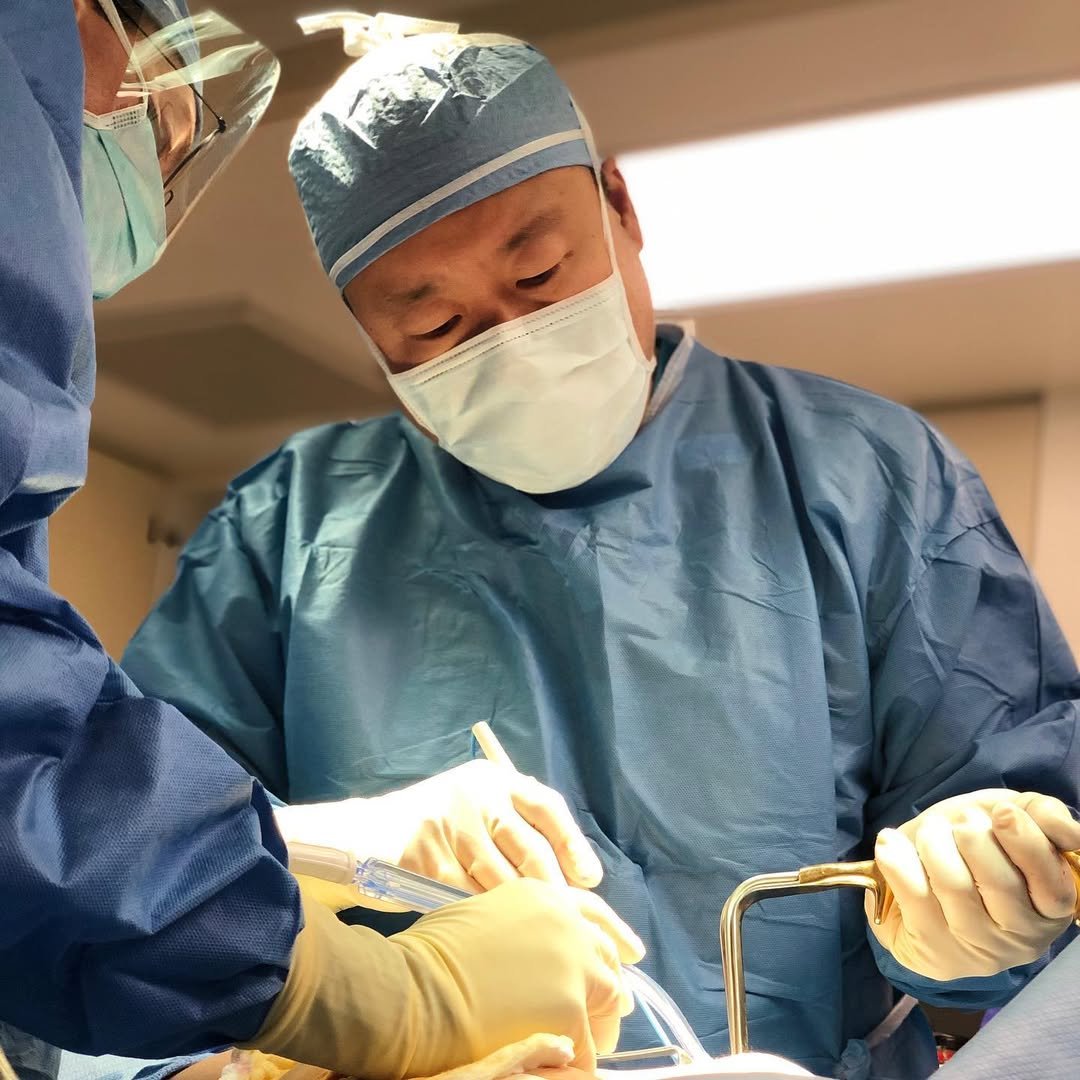
Eyelid Surgery: Starting at $4,500
Upper Eyelid Surgery
This Includes:
Board-certified plastic surgeon with 25+ years experience
All surgical fees and anesthesia
Removal of excess skin and fat
Accredited surgical facility or office-based suite
Post-operative care and follow-up visits
Variables Include:
Upper lids only vs. lower lids only vs. both
Extent of skin and fat removal needed
Asian double eyelid creation (if applicable)
Transconjunctival vs. transcutaneous lower lid approach
Addition of laser resurfacing for skin texture
Combination with brow lift, facelift, or other procedures
Final investment depends on whether upper, lower, or both eyelids are treated.
Most patients invest $5,000-$8,500
Pricing Guide: Upper lids only $4,500-$6,000 | Lower lids only $5,000-$7,000 | Upper + Lower combined $7,500-$10,000 | Asian double eyelid $4,500-$6,500
Insurance Note: Upper blepharoplasty may be covered by insurance if severely impairs vision (requires visual field testing showing significant impairment). Lower blepharoplasty is almost always cosmetic and not covered.
Real Patient Results
See the natural, beautiful transformations Dr. Kim's patients have achieved
Frequently Asked Questions
-
Most patients describe discomfort rather than pain. Eyes feel tight, swollen, and sore—similar to bad sunburn or allergic reaction. Pain medication helps first 2-3 days. The swelling and bruising are more bothersome than pain. Discomfort significantly improves after first week. Lower lid surgery typically more uncomfortable than upper.
-
Most presentable at 7-10 days when significant swelling/bruising subsided. Can return to desk work at 7-10 days. Can wear makeup to cover remaining bruises at 7-10 days once stitches removed. Avoid eye makeup (mascara, eyeliner) for 2 weeks. Most comfortable socializing at 2 weeks. Physical work or exercise resume at 3 weeks.
-
Upper lid scars hidden in natural eyelid crease—virtually invisible when healed. Lower lid scars (if external incision) just below lash line, also well-concealed. Initially pink/red for 2-3 months, then fade to thin white lines. By 6-12 months, scars nearly imperceptible even to close observers. Transconjunctival lower blepharoplasty (inside eyelid) has no visible external scar.
-
Partially. If dark circles caused by bulging fat creating shadows, removing fat improves appearance. However, true pigmentation (hereditary dark circles) is NOT corrected by surgery. Hollow tear troughs that create dark shadows can be addressed with fat repositioning or filler injection. Set realistic expectations—surgery improves puffiness and shadows from bulging, not skin pigmentation.
-
Temporary dry eyes are common and expected for 2-4 weeks as eyes heal. Use artificial tears frequently. Permanent dry eyes are rare but possible, especially with aggressive lower lid surgery. Patients with pre-existing dry eye syndrome have higher risk and may not be good candidates. Dr. Kim carefully assesses this during consultation.
-
Upper blepharoplasty results typically last 10-20 years. Lower blepharoplasty results last 10-15 years. Eyes continue to age, but you'll always look better than if you hadn't had surgery. Some patients desire revision 10-20+ years later for additional rejuvenation. Results are long-lasting but not permanent—aging continues.
-
Yes, frequently combined for comprehensive facial rejuvenation. Most common combinations: blepharoplasty + facelift + neck lift, blepharoplasty + brow lift (addresses entire upper face), upper and lower blepharoplasty together, blepharoplasty + laser resurfacing (improves skin texture). Combining saves recovery time and overall cost.
-
Maybe. Insurance covers upper blepharoplasty ONLY if excess skin significantly impairs peripheral vision. Requires documentation with visual field testing showing impairment. Purely cosmetic concerns (appearance, not vision) are NOT covered. Lower blepharoplasty is almost always cosmetic and not covered. Our office can help with insurance pre-authorization if you qualify.
Ready to Refresh Your Eyes?
Schedule a consultation to discuss your eyelid surgery options with Dr. Kim