
Tummy Tuck (Abdominoplasty)
Achieve a flatter, firmer abdomen by removing excess skin and tightening separated muscles. Transform your midsection after pregnancy, weight loss, or aging with this transformative procedure.
SURGERY TIME
2-4 Hours
ANESTHESIA
General
RECOVERY
2-4 Weeks
RESULTS
Long-Lasting

Restore Your Pre-Pregnancy Abdomen
Pregnancy, significant weight loss, and aging can leave your abdomen with loose, sagging skin and weakened, separated muscles that no amount of diet or exercise can fix. A tummy tuck (abdominoplasty) addresses these concerns by removing excess skin, tightening the abdominal wall, and creating a flatter, firmer, more youthful midsection.
Dr. Kim combines technical precision with artistic vision to create natural-looking results that restore your pre-pregnancy figure or reveal the toned abdomen hidden beneath loose skin. Whether you need a full tummy tuck or mini tummy tuck, he'll customize the procedure to your unique anatomy and aesthetic goals.
Life-Changing Benefits
Transform your abdomen and your confidence
Flatter Abdomen
Remove the excess skin and fat that creates the "pooch" or "apron" that won't go away with diet and exercise
Stretch Mark Removal
Eliminate stretch marks on lower abdomen as that skin is removed during the procedure
Tighter Core
Repair separated abdominal muscles (diastasis recti) to strengthen your core and improve posture
Enhanced Confidence
Feel comfortable in swimwear, form-fitting clothes, and intimate situations without self-consciousness
Better Clothing Fit
Wear clothes that fit smoothly without bulges, requiring smaller sizes or belts that actually fit
Improved Posture
Tightened abdominal muscles provide better core support, reducing back pain and improving overall posture
Tummy Tuck Options
Customized to your specific needs
Full Tummy Tuck (Abdominoplasty)
Most Common | Comprehensive Results
The full tummy tuck addresses the entire abdomen from ribcage to pubic area. This is the best option for patients with significant excess skin, muscle separation, and fat deposits.
Incision: Hip-to-hip low across abdomen, hidden under underwear/bikini
Belly Button: Repositioned to natural-looking higher position
Muscle Repair: Full diastasis recti repair from ribcage to pubic bone
Skin Removal: Maximum skin removal, including lower abdomen stretch marks
Fat Removal: Often combined with liposuction for optimal contouring
Best For: Post-pregnancy, significant weight loss, aging skin
Recovery: 2-4 weeks initial, 6-8 weeks full activity
Mini Tummy Tuck
Less Extensive | Faster Recovery
The mini tummy tuck addresses only the lower abdomen below the belly button. This option works for patients with minimal skin excess limited to the lower belly.
Incision: Shorter hip-to-hip incision, similar location to full
Belly Button: Usually remains in original position, not repositioned
Muscle Repair: Limited to lower abdomen only
Skin Removal: Lower abdomen skin only, less extensive
Fat Removal: Can combine with liposuction
Best For: Younger patients, one pregnancy, minor skin laxity
Recovery: 1-2 weeks initial, 4-6 weeks full activity
Extended Tummy Tuck
Comprehensive | Includes Flanks & Back
The extended tummy tuck goes beyond the standard procedure to address skin laxity extending around the sides and lower back. Common after massive weight loss.
Incision: Extends around hips toward lower back
Coverage: Addresses flanks (love handles) and lower back
Muscle Repair: Full abdominal wall tightening
Skin Removal: Maximum removal including sides and back
Best For: Post-bariatric surgery, massive weight loss patients
Recovery: 3-4 weeks initial, 6-8 weeks full activity
Diastasis Recti Repair
Restoring core strength and function
What is Diastasis Recti?
Diastasis recti is the separation of the abdominal muscles that occurs during pregnancy as the growing uterus stretches the connective tissue (linea alba) between the left and right rectus abdominis muscles. This separation doesn't heal on its own and creates a persistent "pooch" even in thin women.
Affects 60% of pregnant women and doesn't resolve without surgical repair
Creates persistent belly bulge especially when standing or doing ab exercises
Weakens core strength affecting posture, balance, and back health
Makes "mommy tummy" stick out despite being at healthy weight
Cannot be fixed with exercise alone—muscles are too far apart to engage
How Tummy Tuck Repairs Diastasis Recti
During a tummy tuck, Dr. Kim surgically repairs the separated abdominal muscles by pulling them back together and suturing them in the midline. This recreates a tight, functional core and eliminates the bulge.
Step 1: Make incision and lift abdominal skin away from muscles
Step 2: Identify separated muscles and measure gap (often 3-10cm wide)
Step 3: Pull muscles back together using permanent sutures
Step 4: Create internal "corset" for long-lasting support
Step 5: Remove excess skin and close incision
Result: Flat, functional abdomen with restored core strength
Combination Procedures
Comprehensive Transformation
Tummy tucks are frequently combined with other procedures for comprehensive body transformation and optimal results.
Liposuction: 360° body contouring for defined waistline
Mommy Makeover: Tummy tuck + breast surgery for complete post-pregnancy restoration
Lower Body Lift: Addresses thighs and buttocks with abdomen
Hernia Repair: Fix umbilical or other hernias simultaneously
Brazilian Butt Lift: Use tummy tuck fat for buttock augmentation
Benefits: Single recovery, cost savings, comprehensive results

Am I a Candidate for a Tummy Tuck?
Determining if abdominoplasty is right for you
You May Be a Good Candidate If:
You have loose, sagging abdominal skin
You have a persistent "pooch" or "apron" despite diet/exercise
You have separated abdominal muscles (diastasis recti)
You're finished having children (or willing to risk results)
You're at or near your goal weight (within 10-15 lbs)
Your weight has been stable for 6+ months
You're in good overall health
You don't smoke or are willing to quit
You have realistic expectations about scarring
You can take 2-4 weeks off work for recovery
You have help at home during initial recovery
You May Not Be a Candidate If:
You're currently pregnant or breastfeeding
You're planning to have more children soon
You're significantly overweight (BMI over 35)
You plan to lose significant weight in the future
You smoke heavily and won't quit
You have uncontrolled diabetes or heart disease
You have blood clotting disorders
You have unrealistic expectations
You cannot commit to recovery restrictions
You don't have help during recovery period
Tummy Tuck: Starting at $9,500
Full Tummy Tuck
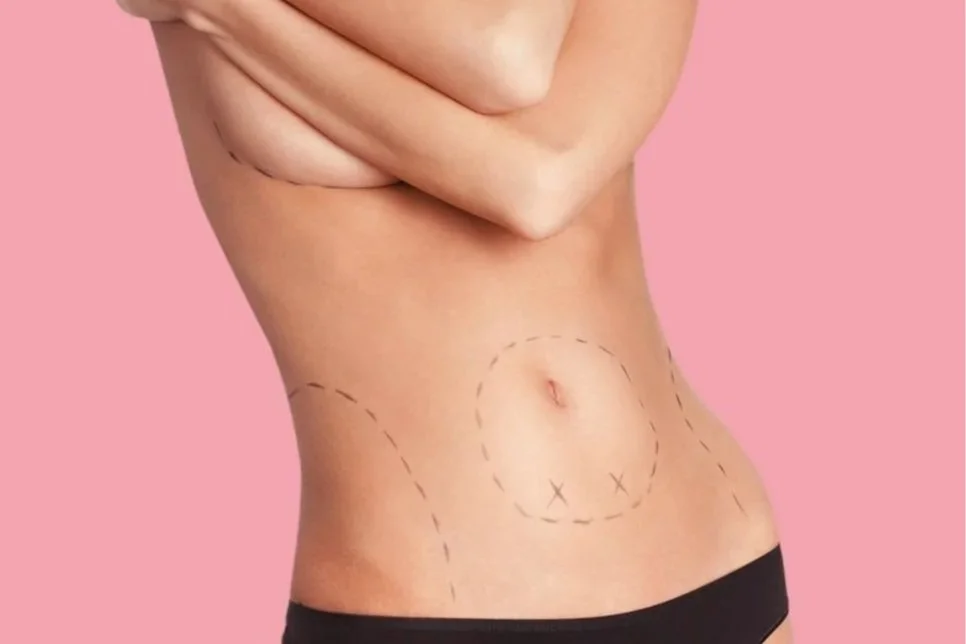
This Includes:
Board-certified plastic surgeon with 25+ years experience
All surgical fees and anesthesia
Diastasis recti muscle repair
Compression garment and post-surgical binder
On-Q Pain Relief System
Accredited surgical facility
Post-operative care and follow-up visits
Variables Include:
Type of tummy tuck (mini, full, or extended)
Extent of muscle repair needed
Amount of skin and fat being removed
Liposuction for additional contouring
Hernia repair if needed
Combination with other procedures (breast surgery, etc.)
Final investment depends on extent of correction needed and whether combined with other procedures.
Most patients invest $10,500-$15,000
Note: Mini tummy tuck typically costs $7,500-$9,500. Combining with other procedures (Mommy Makeover) saves overall cost vs. separate surgeries.
Real Patient Results
See the natural, beautiful transformations Dr. Kim's patients have achieved

Frequently Asked Questions
-
It's generally recommended to wait until you're finished having children, as pregnancy will stretch the abdomen again and compromise results. However, some women proceed knowing they may need a revision later. Future pregnancy won't harm you or the baby, but it will likely reverse the tightening and you may develop diastasis recti again.
-
Yes, ideally you should be within 10-15 pounds of your goal weight and maintain that weight for 6 months before surgery. A tummy tuck is not a weight loss procedure—it's body contouring. Losing significant weight after tummy tuck will leave you with excess skin again. Being at stable weight ensures best, longest-lasting results.
-
The scar runs hip-to-hip low across the abdomen, positioned to be hidden by underwear and bikini bottoms. It's initially red and raised but fades significantly over 12-24 months to a thin, pale line. Most patients feel the trade-off is absolutely worth it for a flat abdomen. Scar placement and quality depend on surgical technique, genetics, and how well you follow post-op instructions.
-
Tummy tuck is more painful than breast surgery but manageable with proper pain management. The first week is most uncomfortable—expect tightness and soreness, especially when standing or moving. The On-Q pain relief system significantly helps. Most patients need prescription pain medication for 5-7 days, then transition to over-the-counter. Pain improves dramatically after first week.
-
No. While you'll lose the weight of removed skin and fat (typically 5-10 pounds), tummy tuck is body contouring, not weight loss. You may drop a clothing size or two from the flatter profile, but the scale won't change dramatically. Think of it as reshaping your existing body, not making it smaller. Weight loss should happen before surgery.
-
Desk work at 2-3 weeks, physical work at 4-6 weeks. Light walking encouraged immediately to prevent blood clots. No heavy lifting, ab exercises, or strenuous activity for 6-8 weeks. Full unrestricted activity including ab workouts at 8-12 weeks. Listen to your body and don't push too hard too fast—rushing recovery can cause complications or compromise results.
-
Yes, tummy tucks are frequently combined with other procedures for comprehensive transformation. Most common is the "Mommy Makeover" (tummy tuck + breast surgery). Can also combine with liposuction (better waistline definition), Brazilian Butt Lift (using tummy fat), or hernia repair. Combining procedures saves recovery time and overall cost vs. separate surgeries.
-
Usually no, as it's considered cosmetic. However, insurance may cover the muscle repair portion if you have documented hernia. Some plans cover panniculectomy (skin removal only, no muscle repair) after massive weight loss if you have chronic rashes, infections, or hygiene issues from excess skin. Our office can help with documentation for insurance consideration.
Ready for a Flatter, Firmer Abdomen?
Schedule a consultation to discuss your tummy tuck options with Dr. Kim