
Botox for Neck Bands in San Francisco: A Plastic Surgeon Explains the Nefertiti Lift
Overview
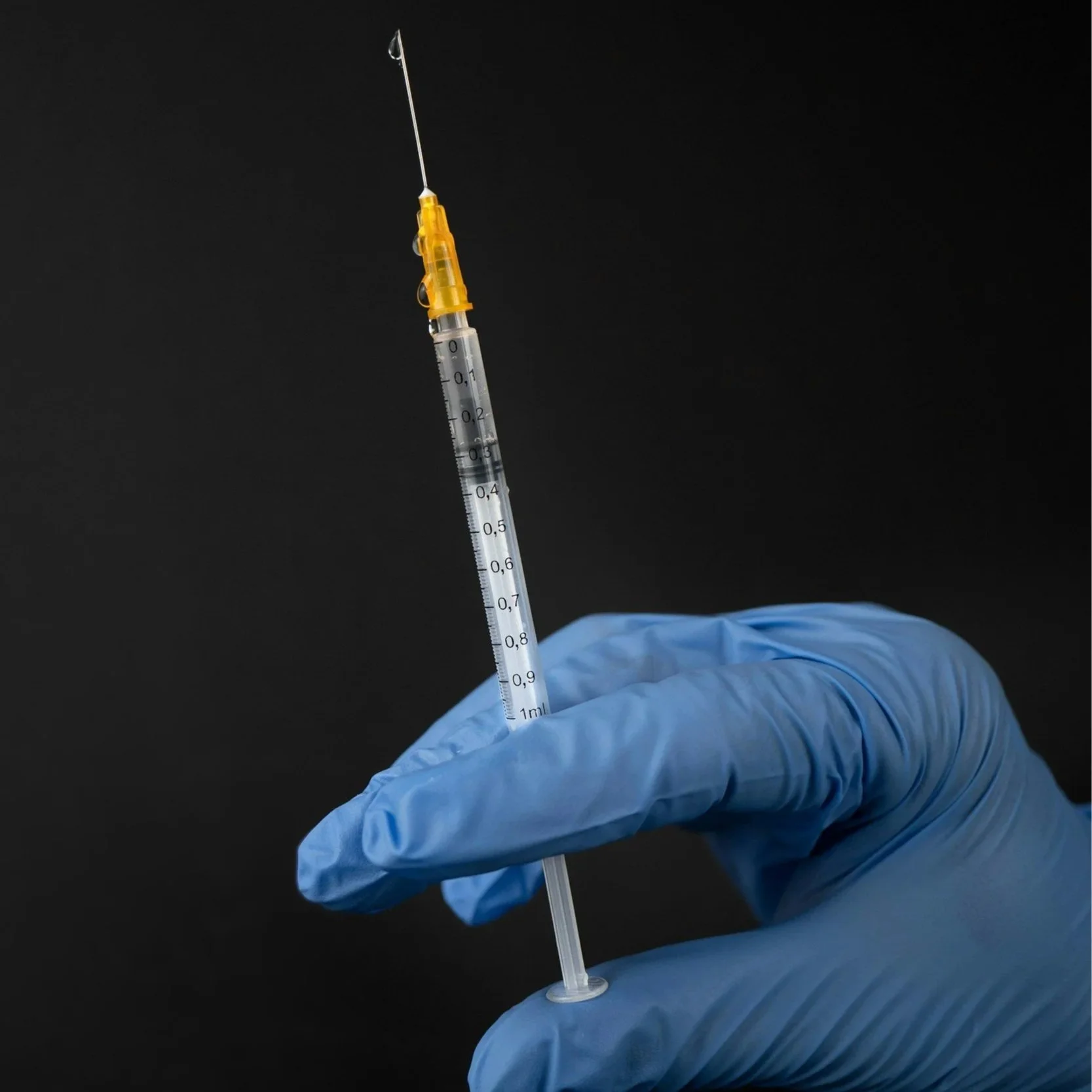
The Nefertiti Lift uses Botox or a similar neurotoxin to relax the platysma muscle along the jawline and neck, softening visible neck bands and creating a more refined, elongated neck profile.
Injections are placed along the platysmal bands and the inferior border of the mandible
Results include softened neck cords, a sharper jawline definition, and a subtly elongated neck
Best suited for patients with early to moderate platysmal banding and mild jawline laxity
No downtime, no incisions, and results visible within 7–10 days
Not a replacement for surgical neck lift in patients with significant skin laxity or submental fat
1. The Bust That Inspired the Name
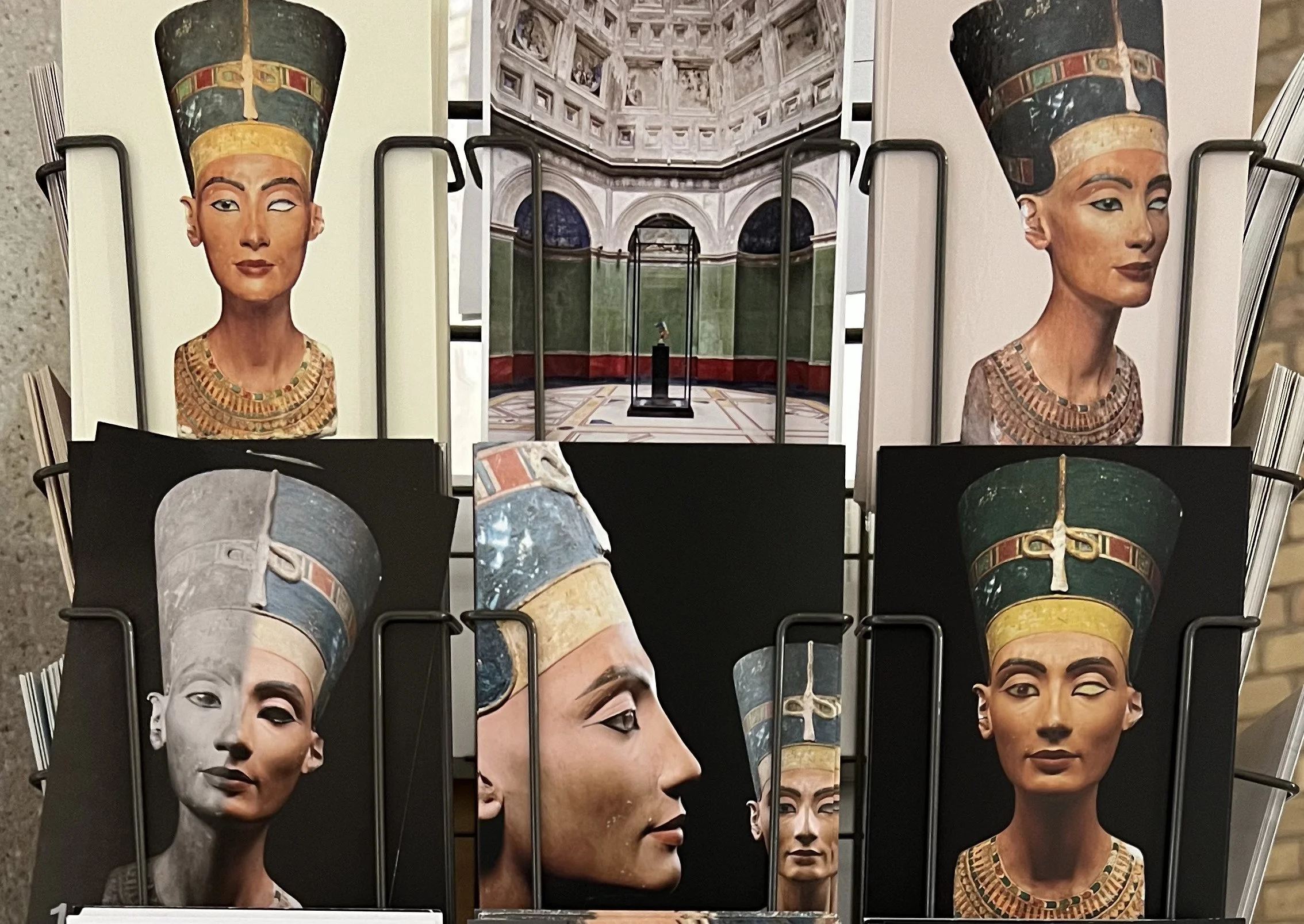
Ealier this year I stood in front of the Nefertiti bust at the Neues Museum in Berlin, and photographs genuinely don’t prepare you for it.
The piece is painted limestone, about 50 centimeters tall, sculpted around 1345 BCE by the royal sculptor Thutmose and left in his workshop at Amarna for over three thousand years before German archaeologist Ludwig Borchardt unearthed it in 1912. It’s now one of the most-visited objects in the museum, and standing there, you understand immediately why.
What stops you is the neck. Long, smooth, perfectly cylindrical from the clavicle to the jaw, with a mandibular border that is sharp and a chin that is defined, and not a hint of banding or soft tissue draping anywhere along it. Whether that reflects Nefertiti’s true appearance or an idealized royal portrait is something Egyptologists still debate, but either way, that silhouette has endured for three millennia as a reference point for neck aesthetics, which is why a cosmetic treatment now carries her name.
Queen Nefertiti co-ruled alongside Pharaoh Akhenaten during Egypt’s Eighteenth Dynasty, roughly 1353 to 1336 BCE, and her name translates from ancient Egyptian as “the beautiful one has come.” She governed during a period of significant religious transformation, and historical evidence suggests she held real political power in her own right, not merely as a consort. She disappears from the historical record near the end of Akhenaten’s reign, her fate still unresolved, but what persisted was the image: that elongated, serene neck, the precise jaw, the upright posture of someone entirely in command of how she presents.
2. The Muscle Behind the Problem
The platysma is a broad, thin sheet of muscle running from the chest and collarbone upward across the anterior neck, inserting along the lower jaw and the skin of the lower face, and in youth it lies flat and taut. As the face ages and soft tissue descends, two things happen that matter clinically.
First, the medial edges of the platysma separate and become visible as vertical cords running down the front of the neck, which are the bands patients point to in the mirror and describe as looking “ropy” or “tight.”
Second, the lateral fibers pull persistently downward on the jawline and lower face, competing with the upward-pulling muscles of the face and contributing, over time, to jowling and a less defined mandibular border.
Both problems respond to Botox or a similar neurotoxin, not to the same degree that surgery corrects them, but meaningfully and without any recovery time.
3. How the Nefertiti Lift Is Performed
The treatment targets two zones: the platysma bands in the anterior neck and the inferior border of the mandible. Before I start injecting, I palpate the bands at rest and ask the patient to animate, which makes the cords more visible and lets me map the injection points precisely before committing to anything.
Along the platysma bands, I inject directly into the visible cords to relax them, softening the banding without eliminating the muscle entirely. Most patients need between 4 and 8 injection points here, depending on how prominent the bands are and how far they extend down the neck.
Along the jawline, the injections target the depressor fibers of the platysma that insert into the lower face - the muscles that pull down when you frown - and by reducing that downward pull, the opposing elevator muscles work with less resistance, producing a subtle but perceptible lift along the mandibular border. The jaw looks sharper and the neck looks longer.
Total dose sits between 30 - 60 units of Botox or similar neuromodulator for most patients. The treatment takes about 15 minutes, patients stay upright for 4 hours post-injection, and results appear at 3 to 7 days and last 3 to 6 months.

4. Who Gets Real Results From This Treatment
Good candidates have visible platysmal banding at rest or with animation, some degree of jawline softening from platysmal pull, and reasonable skin quality, because the skin itself does not lift with this treatment.
If the main issue is redundant neck skin or significant submental fat, the Nefertiti Lift will imrpove the muscles, but will NOT tighten loose neck skin.
I tend to see strong results in patients in their late 30s through 50s with early neck changes and good skin tone. I also see patients from Presidio Heights, the Marina, and Russian Hill who are weighing surgical correction but want to defer for a few years. The Nefertiti Lift works as a reasonable bridge, provided expectations are calibrated from the start.
To be direct about what this treatment won’t do: it won’t eliminate a turkey wattle, address submental or double chin fat, lift significantly loose skin, or replicate a properly performed neck lift.
Wondering whether the Nefertiti Lift is the right treatment for your neck? Call my San Francisco office at 415-362-1846 to schedule a consultation at 450 Sutter Street, Suite 1440.

5. Combining the Nefertiti Lift With Other Treatments
The Nefertiti Lift fits naturally into a broader injectable plan, and most of my patients who request it are already doing forehead, glabellar, and crow’s feet Botox.
It also complements dermal filler along the jawline, where filler adds volume and structural definition to the mandibular border while the Nefertiti Lift reduces the downward muscular tension, addressing the jaw from two directions at once.
None of these combinations are surgical substitutes, but for patients who aren’t ready for surgery or who want to extend the benefit between procedures, the combination approach gives more than any single treatment in isolation.
Myths About the Nefertiti Lift
Myth: It gives you a noticeable lift like surgery.
The Nefertiti Lift produces real but subtle results, and patients who come in expecting a surgical outcome will be disappointed, because this is a Botox treatment and not a surgical procedure. I tell patients that directly before we proceed.
Myth: The neck injections are unusually painful.
Not in my experience, because the anterior neck skin is less sensitive than the forehead or perioral area, fine-gauge needles keep discomfort minimal, and the whole treatment is finished in about 15 minutes. Most patients find it more comfortable than they expected.
Myth: Relaxing the platysma will affect your facial expressions or neck movement.
The platysma isn’t responsible for any expressions patients rely on, and here’s what relaxing it does and does not change:
Does not affect: head movement, swallowing, or any visible facial expression
Does reduce: the chronic downward pull on the jawline that contributes to jowling over time
Net result: movement is preserved, the appearance is more lifted, not frozen
Myth: Consistent treatments eventually make the results permanent.
Neuromodulators don’t accumulate, and results last 3 to 4 months regardless of how long you’ve been on a treatment schedule. There is a real phenomenon worth knowing about, though: consistent relaxation of the platysma over time trains the muscle to pull with somewhat less baseline force, so patients on a long-term schedule sometimes notice their results feel slightly more durable. That’s meaningful, but it isn’t permanence.
Frequently Asked Questions
-
Botox injected into the platysmal bands relaxes the muscle cords that become visible in the anterior neck with age, softening their appearance and reducing the downward pull they exert on the jawline. The result is a smoother neck profile and a marginally sharper mandibular border, without surgery or downtime.
-
Most patients need 20 to 40 units, depending on the prominence of their platysmal bands and how much of the jawline border is being treated. I determine this during the consultation by assessing the muscle at rest and with animation.
-
Results typically last 3 to 4 months, which is consistent with Botox treatment in other facial areas.
-
For patients with early-stage neck changes and good skin quality, yes, it’s a reasonable non-surgical option. For patients with significant skin laxity, submental fat, or pronounced banding that doesn’t respond adequately to Botox, a surgical neck lift produces far superior results, and the two treatments serve different patients at different stages. I’ll tell you directly which one you need.
-
Yes, and it’s one of the more effective combinations in the office, because filler addresses the structural component of jawline definition while the Botox reduces muscular downward tension, making the two together more effective than either treatment alone.
-
There’s no meaningful downtime: patients stay upright for 4 hours post-injection, skip strenuous activity for the rest of the day, and mild redness at injection sites resolves within a few hours.
-
Patients with significant excess neck skin, substantial submental fat, active neuromuscular conditions, or those who are pregnant or nursing are not good candidates. Patients whose expectations are better matched to a surgical outcome also aren’t the right fit, and I’ll say so at the consultation so we can discuss what surgical correction looks like instead.
Summary
The Nefertiti Lift is named for a 3,300-year-old limestone portrait whose elongated neck and sharp jaw have remained an aesthetic reference point for three millennia, and the treatment itself is straightforward: Botox injections along the platysmal bands and mandibular border that reduce the downward muscular pull and soften visible neck cords.
For patients with early neck changes, good skin quality, and calibrated expectations, it’s one of the better non-surgical options available, and for the right patient the results are real and the recovery is minimal.
Schedule a Consultation in San Francisco or Alameda
If you want to know whether you’re a good candidate for the Nefertiti Lift, I’m happy to take a look in the office. I see patients at two locations:
San Francisco: 450 Sutter Street, Suite 1440, San Francisco, CA 94108
Alameda: 1403 Park Street, Alameda, CA 94501
Call 415-362-1846 or email info@drkim.com to set up a time.
Follow and Connect with me on my social media!