
Exploring How AI Is Being Used in Plastic Surgery Today
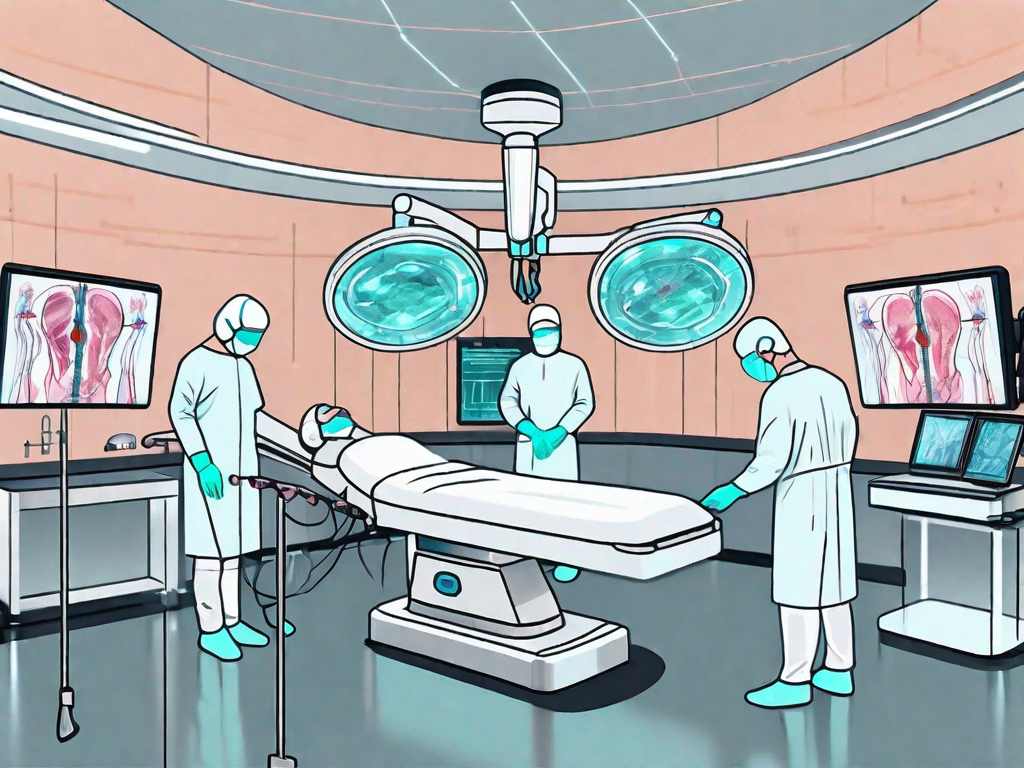
In recent years, the field of plastic surgery has been revolutionized by the advent of artificial intelligence (AI). This advanced technology has opened up new possibilities for surgeons and patients alike, offering enhanced precision, improved patient outcomes, and the potential for personalized care. In this article, we will delve into the basics of AI in medicine, examine its role in plastic surgery, discuss the benefits and challenges it presents, and explore its exciting future prospects.
Understanding the Basics of AI in Medicine
Before diving into the specific applications of AI in plastic surgery, let's first understand what AI actually is. AI, or artificial intelligence, refers to the development of computer systems that can perform tasks that would typically require human intelligence. These systems are trained using vast amounts of data and sophisticated algorithms, allowing them to recognize patterns, make predictions, and even learn from experience.
AI has revolutionized various industries, including healthcare. In the field of medicine, AI has the potential to transform the way healthcare professionals diagnose and treat patients. By harnessing the power of AI, doctors can access unparalleled insights, efficiency, and precision in their practice.
What is AI?
At its core, AI enables computers to mimic human cognitive functions such as speech recognition, problem-solving, and decision-making. By analyzing large datasets and recognizing complex patterns, AI algorithms can assist healthcare professionals in making more accurate diagnoses, devising treatment plans, and improving patient outcomes.
Imagine a scenario where a patient presents with a complex medical condition that is difficult to diagnose. With the help of AI, doctors can input the patient's symptoms, medical history, and relevant test results into a computer system. The AI algorithm can then analyze this information, compare it to a vast database of similar cases, and provide the doctor with potential diagnoses and treatment options. This not only saves time but also enhances the accuracy of the diagnosis, leading to more effective treatment plans.
The Intersection of AI and Medicine
The intersection of AI and medicine has paved the way for groundbreaking advancements in healthcare. With the incredible potential to transform various medical specialties, including plastic surgery, AI offers the promise of unparalleled insights, efficiency, and precision.
In the field of plastic surgery, AI can assist surgeons in planning and performing procedures with greater accuracy and precision. By analyzing preoperative images and patient data, AI algorithms can help surgeons visualize the potential outcomes of different surgical techniques. This allows surgeons to make more informed decisions, resulting in better surgical outcomes and patient satisfaction.
Furthermore, AI can also play a crucial role in post-operative care. By monitoring patients' vital signs and analyzing real-time data, AI algorithms can detect early signs of complications and alert healthcare professionals. This early detection can lead to timely interventions, preventing potential complications and improving patient recovery.
AI in medicine is not limited to surgical procedures alone. It can also be used in drug discovery, genetic research, and personalized medicine. By analyzing vast amounts of genomic data, AI algorithms can identify patterns and potential drug targets, leading to the development of more effective medications. Additionally, AI can help healthcare professionals tailor treatment plans to individual patients, taking into account their unique genetic makeup and medical history.
As AI continues to advance, the possibilities for its application in medicine are endless. From improving diagnostic accuracy to enhancing surgical precision, AI has the potential to revolutionize healthcare and improve patient outcomes.
The Role of AI in Plastic Surgery
In the realm of plastic surgery, AI is making its presence felt throughout the entire patient journey - from preoperative planning to surgical procedures and postoperative care.
Preoperative Planning with AI
AI algorithms can analyze medical images, such as MRI scans or 3D reconstructions of the patient's face or body, to assist surgeons in developing detailed preoperative plans. By precisely measuring facial or body proportions and simulating potential surgical outcomes, AI can help surgeons tailor their approach, resulting in more accurate and satisfactory results.
For example, AI can analyze the patient's facial features and provide insights into the potential impact of different surgical procedures. It can simulate the effects of rhinoplasty, chin augmentation, or liposuction, allowing surgeons to visualize the potential outcomes before the actual surgery takes place. This not only helps patients have a clearer understanding of the expected results but also enables surgeons to make more informed decisions based on the patient's unique anatomy.
Furthermore, AI can assist in identifying potential risks or complications before surgery. By analyzing large datasets of patient information and surgical outcomes, AI algorithms can identify patterns and factors that may increase the likelihood of complications. This allows surgeons to take necessary precautions and make adjustments to the surgical plan, ensuring a safer procedure for the patient.
AI in Surgical Procedures
During surgical procedures, AI can provide real-time guidance and assistance to surgeons. By combining computer vision with machine learning algorithms, AI systems can analyze intraoperative data, helping surgeons identify critical structures and make informed decisions. This assists in reducing the risk of complications and optimizing surgical outcomes.
For instance, AI can analyze real-time video feeds from surgical cameras and highlight important anatomical landmarks, ensuring that surgeons stay on track during complex procedures. It can also provide feedback on the progress of the surgery, alerting the surgeon to any deviations from the planned approach. This real-time guidance helps surgeons maintain precision and accuracy, ultimately leading to better surgical outcomes.
In addition, AI can assist in the use of robotic surgical systems. By integrating AI algorithms with robotic platforms, surgeons can benefit from enhanced precision and dexterity. The AI system can analyze the surgeon's movements and provide real-time feedback, allowing for more precise control of the robotic instruments. This synergy between AI and robotics opens up new possibilities for minimally invasive procedures and improves patient safety.
Postoperative Care and AI
Following surgery, AI can monitor patients' progress and provide personalized recommendations for postoperative care. By analyzing data such as patient-reported outcomes, vital signs, and even wearable device data, AI-powered systems can identify potential complications early on and suggest appropriate interventions, leading to improved patient recovery.
For example, AI can analyze patient-reported outcomes and detect any signs of dissatisfaction or discomfort. It can also monitor vital signs, such as heart rate and blood pressure, and compare them to expected ranges for a given procedure. If any abnormalities are detected, the AI system can alert healthcare providers, enabling timely intervention and preventing potential complications.
Furthermore, AI can leverage wearable devices, such as fitness trackers or smartwatches, to gather additional data about the patient's recovery. By analyzing activity levels, sleep patterns, and other relevant metrics, AI can provide personalized recommendations for postoperative care, such as exercise routines or dietary guidelines. This individualized approach to recovery can optimize healing and improve patient outcomes.
In conclusion, AI is revolutionizing the field of plastic surgery by enhancing preoperative planning, assisting surgeons during procedures, and improving postoperative care. With its ability to analyze medical images, provide real-time guidance, and monitor patient progress, AI is paving the way for more precise, efficient, and personalized plastic surgery interventions.
The Benefits of AI in Plastic Surgery
The integration of AI into plastic surgery offers a plethora of benefits that can greatly enhance patient care and outcomes.
Enhanced Precision and Accuracy
By leveraging AI's ability to process vast amounts of data and identify nuanced patterns, plastic surgeons can achieve unprecedented levels of precision and accuracy. This reduces the margin of error in procedures, ensuring optimal surgical outcomes and patient satisfaction.
Improved Patient Outcomes
AI-driven systems can assist surgeons in making evidence-based decisions and recommending personalized treatment plans. By drawing from a wealth of medical literature and patient data, AI algorithms can help optimize treatment strategies and anticipate potential complications, ultimately resulting in enhanced patient outcomes.
Potential for Personalized Care
Every patient is unique, and AI has the potential to revolutionize the delivery of personalized care in plastic surgery. By integrating patient-specific data, such as genetic information, lifestyle factors, and previous medical history, AI algorithms can tailor treatment plans and predict individual responses to specific interventions. This personalized approach has the potential to improve patient satisfaction and overall treatment effectiveness.
Challenges and Ethical Considerations of AI in Plastic Surgery
While AI presents immense opportunities, it also raises several ethical considerations and challenges within the field of plastic surgery.
Data Privacy and Security Concerns
The utilization of AI in plastic surgery relies heavily on access to patient data. Ensuring the privacy and security of this sensitive information is of paramount importance. Striking the right balance between data access, patient consent, and protection against data breaches is a crucial challenge that needs to be addressed as AI continues to advance in the field.
Ethical Implications of AI Use
Another critical ethical consideration involves the potential impact of AI on the doctor-patient relationship. While AI has the capacity to significantly augment a surgeon's decision-making capabilities, it must be used as a complementary tool rather than a substitute for human expertise. Maintaining transparency, explaining treatment recommendations, and involving patients in shared decision-making processes are essential to ensure ethical AI use.
The Future of AI in Plastic Surgery
The rapid advancements in AI technology continue to shape the future of plastic surgery, opening up exciting possibilities for further innovation and improved patient care.
Emerging AI Technologies in Plastic Surgery
New developments in fields such as computer vision, natural language processing, and robotics hold immense promise for the future of AI in plastic surgery. From more accurate facial recognition for virtual surgical planning to innovative robotic systems assisting in intricate surgical procedures, the potential applications of AI are expanding at an exponential rate.
Predictions for AI's Role in Future Plastic Surgery
As AI continues to advance, it is expected to play an increasingly significant role in plastic surgery. Predictive analytics, advanced imaging techniques, and personalized treatment algorithms are just a few areas where AI is anticipated to bring about transformative changes. With ongoing research and collaboration, AI has the potential to revolutionize the practice of plastic surgery, leading to safer, more efficient, and more patient-centered care.
In conclusion, the integration of AI in plastic surgery represents an exciting and rapidly evolving field. From assisting with preoperative planning to optimizing surgical outcomes and transforming postoperative care, AI has the potential to revolutionize the entire patient journey. However, as with any technology, it is essential to address the associated challenges and ethical considerations to ensure ethical and responsible AI use. With continued advancements, the future of AI in plastic surgery looks bright, promising enhanced precision, improved patient outcomes, and new horizons in personalized care.