
How are Robotx Being Used in Plastic Surgery?
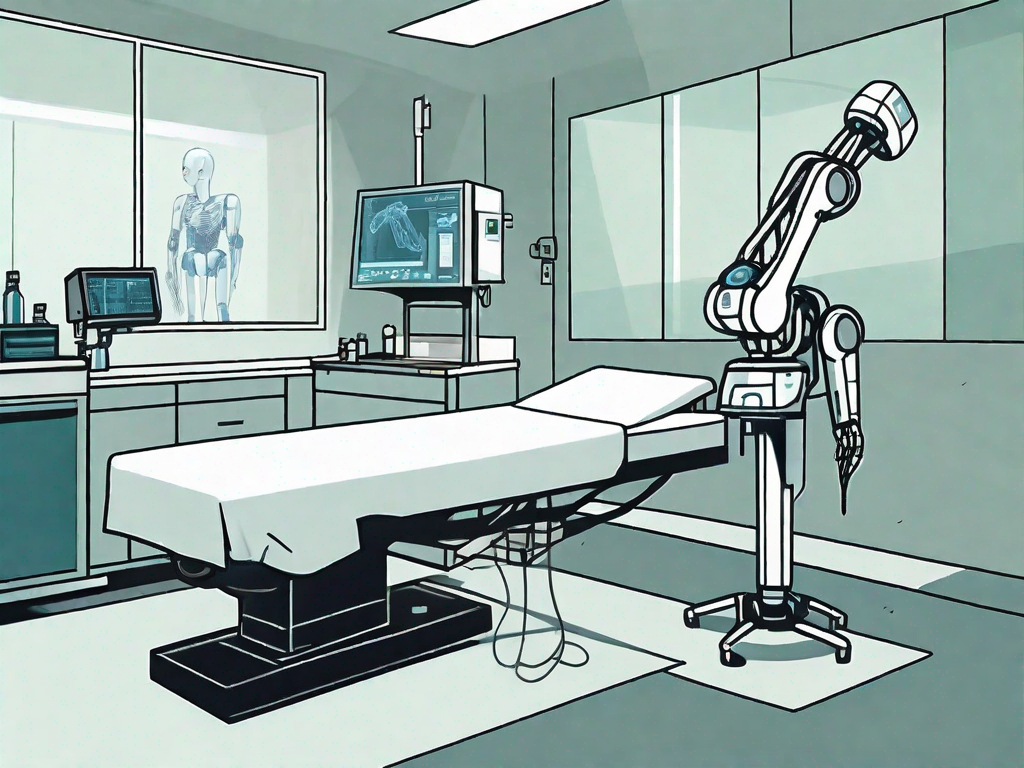
Plastic surgery has come a long way over the years, with the advancement of technology playing a significant role in the evolution of procedures. One particular innovation that has been making waves in the field is the use of robots. These sophisticated machines, such as the DaVinci Robot, are revolutionizing plastic surgery techniques and expanding the possibilities for patients seeking aesthetic improvements.
DaVinci Robot
The DaVinci Robot is a revolutionary robotic surgical system that has been gaining popularity in recent years. It is not just a machine, but a cutting-edge technology that is transforming the field of surgery. Comprised of four interactive robotic arms controlled by a skilled human surgeon, the DaVinci Robot is equipped with a high-definition camera that provides precise visualization, taking surgical precision to a whole new level.
With its advanced technology and capabilities, the DaVinci Robot has opened up new possibilities in the field of reconstructive plastic surgery. One area in which it has been particularly successful is in breast reconstruction after a mastectomy. This procedure can be incredibly challenging and intricate, requiring the utmost precision and skill. However, the DaVinci Robot's precise movements and superior visualization capabilities enable surgeons to perform the necessary microsurgery with increased accuracy.
Imagine a surgeon delicately manipulating the robotic arms of the DaVinci Robot, guided by the high-definition camera that provides a magnified, three-dimensional view of the surgical site. With this enhanced visualization, surgeons can navigate through the intricate network of blood vessels and nerves, ensuring that every tiny detail is attended to. This level of precision is simply unparalleled, and it translates into better surgical outcomes and improved patient satisfaction.
But the benefits of the DaVinci Robot go beyond just precision. The robotic arms are designed to mimic the movements of the human hand, but with enhanced dexterity and range of motion. This means that surgeons can perform complex procedures with ease, even in hard-to-reach areas. The robotic arms can rotate 360 degrees and have a greater degree of flexibility than the human hand, allowing surgeons to navigate through tight spaces and perform intricate maneuvers that would otherwise be impossible.
Furthermore, the DaVinci Robot offers another significant advantage - it minimizes the invasiveness of surgery. Traditional open surgery often requires large incisions, leading to longer recovery times, increased pain, and a higher risk of complications. In contrast, the DaVinci Robot enables surgeons to perform procedures using minimally invasive techniques. This means smaller incisions, less tissue damage, reduced pain, and faster recovery for patients.
As the popularity of the DaVinci Robot continues to grow, so does its potential to revolutionize the field of surgery. Surgeons are constantly finding new applications for this remarkable technology, pushing the boundaries of what is possible in the operating room. From cardiac surgery to urology, the DaVinci Robot is making its mark in a wide range of specialties, improving patient outcomes and changing the face of modern medicine.
Robotic Microsurgery
Robotic microsurgery is an exciting and innovative application of robotics in the field of plastic surgery. This cutting-edge technique involves the use of robots to assist in delicate procedures that require extreme precision, such as nerve repair or tissue reattachment. By harnessing the power of robotic arms, surgeons are able to manipulate microscopic instruments with enhanced dexterity and perform intricate tasks that were once exclusively done by hand.
One of the key advantages of robotic microsurgery is the enhanced visualization provided by the robotic systems. Surgeons are able to see and work on a much smaller scale, thanks to the high-resolution cameras and magnification capabilities of the robots. This significantly reduces the risk of damaging surrounding tissues and allows for more precise and accurate surgical interventions.
In addition to improved visualization, robotic microsurgery also benefits from the ability to compensate for any hand tremors. Even the most skilled surgeons may experience slight hand tremors, which can affect their ability to perform delicate procedures. However, with the assistance of robotic arms, these tremors can be eliminated or minimized through the use of advanced stabilization algorithms. This ensures that the surgeon's movements are smooth and steady, further enhancing surgical precision.
Furthermore, robotic microsurgery offers the potential for increased accessibility to specialized surgical expertise. With the assistance of robots, surgeons can remotely perform microsurgical procedures, regardless of geographical location. This opens up new possibilities for patients who may not have access to highly skilled microsurgeons in their local area, allowing them to receive the best possible care without the need for extensive travel.
Another advantage of robotic microsurgery is the potential for reduced post-operative complications. The precise and controlled movements of the robotic arms minimize tissue trauma, leading to faster healing and reduced scarring. This can result in improved patient outcomes and a shorter recovery period.
As with any emerging technology, there are also challenges and considerations associated with robotic microsurgery. The initial cost of implementing robotic systems can be significant, requiring hospitals and surgical centers to make substantial investments. Additionally, there is a learning curve for surgeons to become proficient in using the robotic systems, as they must familiarize themselves with the interface and adapt their surgical techniques accordingly.
In conclusion, robotic microsurgery is a groundbreaking advancement in the field of plastic surgery. The use of robots to assist in delicate and precise procedures offers numerous benefits, including enhanced visualization, compensation for hand tremors, increased accessibility to specialized expertise, and reduced post-operative complications. As technology continues to advance, it is likely that robotic microsurgery will become even more prevalent, revolutionizing the field and improving patient outcomes.
Robotic 3D Printing in Plastic Surgery
Robotic 3D printing has revolutionized the field of plastic surgery, offering a groundbreaking application of robotic technology. This innovative technique involves the use of robotic arms to precisely deposit layers of bioresorbable materials, creating custom implants or scaffolds for reconstructive purposes.
The process of robotic 3D printing in plastic surgery begins with a detailed scan of the patient's affected area. This scan provides a three-dimensional model that serves as the blueprint for the robotic arm. The robotic arm then carefully deposits layers of bioresorbable materials, following the intricate design specified by the surgeon.
One of the major advantages of robotic 3D printing in plastic surgery is the ability to create highly intricate structures. Traditional methods of implant manufacturing often face limitations when it comes to complex designs, but with robotic 3D printing, the possibilities are endless. Surgeons can now create implants with intricate geometries, such as porous structures that promote tissue integration and vascularization.
Furthermore, the customization process in robotic 3D printing is more efficient compared to traditional methods. In the past, creating custom implants required extensive hand sculpting, which was time-consuming and prone to errors. With robotic 3D printing, the design process is streamlined, reducing the risk of human error and ensuring a better fit for the patient.
Another advantage of robotic 3D printing in plastic surgery is the ability to use bioresorbable materials. These materials are designed to gradually degrade and be absorbed by the body over time, eliminating the need for additional surgeries to remove the implant. This not only reduces the risk of complications but also improves the overall patient experience.
Robotic 3D printing in plastic surgery is not limited to creating custom implants. It can also be used to fabricate scaffolds for tissue engineering purposes. These scaffolds provide a temporary support structure for cells to grow and regenerate, aiding in the reconstruction of damaged tissues. The precise control offered by robotic arms ensures the accurate deposition of the bioresorbable materials, creating scaffolds with the desired properties.
As with any emerging technology, there are still challenges to overcome in the field of robotic 3D printing in plastic surgery. Ensuring the biocompatibility of the bioresorbable materials, optimizing the printing process for different anatomical regions, and integrating robotic systems seamlessly into the surgical workflow are areas of ongoing research and development.
Overall, robotic 3D printing has opened up new possibilities in the field of plastic surgery. It offers surgeons the ability to create highly customized implants and scaffolds, improving patient outcomes and reducing the risk of complications. As the technology continues to advance, we can expect to see even more groundbreaking applications in the field of plastic surgery.
The Role of Robotx in Facial Rejuvenation Procedures
Facial rejuvenation procedures are among the most sought-after in the field of plastic surgery, with countless individuals desiring a youthful appearance. Robots are making their mark in this area as well.
Robotic technologies have been integrated into facial rejuvenation procedures to optimize results and minimize risks. For instance, the DaVinci Robot, being highly precise, can be used for facial contouring surgeries like facelifts and neck lifts. The robotic arms allow for meticulous dissection and suturing, leading to more natural-looking outcomes.
Furthermore, minimally invasive techniques such as robotic-assisted injectables have gained popularity. By using robots to perform injectable procedures, the precision of the treatment can be significantly improved, ensuring more accurate placement and reducing the risk of complications.
It is evident that robots have revolutionized the field of plastic surgery, making procedures more precise, efficient, and customizable. Whether it's through the use of the DaVinci Robot in complex reconstructions, robotic microsurgery for delicate procedures, or the application of robotic 3D printing for personalized implants, these advancements are reshaping the landscape of plastic surgery. As the technology continues to evolve, patients can look forward to even better outcomes and a more streamlined surgical experience.