
How Can AI and Robotics Be Used in Plastic Surgery?
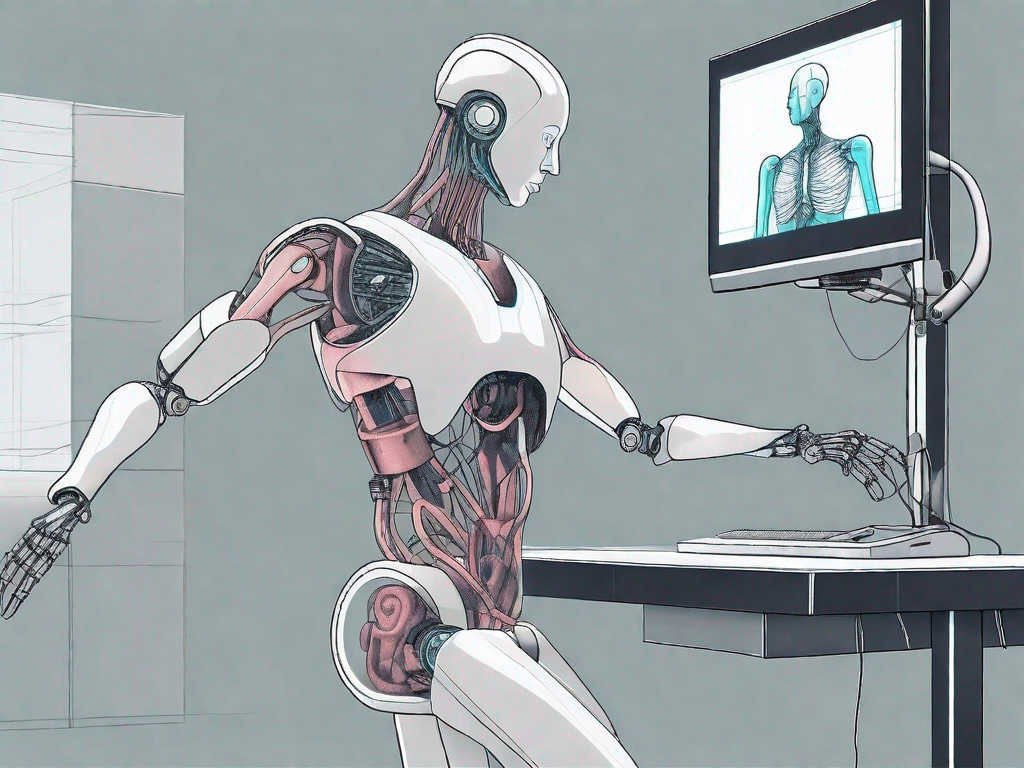
Artificial intelligence (AI) and robotics have proven to be invaluable tools in various fields and industries. From manufacturing to healthcare, these cutting-edge technologies are revolutionizing numerous sectors, and plastic surgery is no exception. With their ability to enhance precision, efficiency, and patient outcomes, AI and robotics have the potential to transform the field of plastic surgery in remarkable ways.
The Future Plastic Surgeon?
The advent of AI and robotics does not necessarily imply a replacement of the skilled plastic surgeon. Instead, it signifies an evolution in the surgeon's practice, equipping them with more sophisticated tools to enhance their expertise. By leveraging AI algorithms, surgeons can access vast amounts of medical data, research, and real-time patient records to make more informed decisions. This technology can assist in the development of personalized treatment plans, accounting for factors like anatomical variations and patients' unique characteristics.
Furthermore, the integration of AI and robotics in plastic surgery opens up new possibilities for innovation and advancement. With the help of AI, surgeons can analyze and interpret complex medical images, such as CT scans and MRI scans, in a fraction of the time it would take a human. This not only saves valuable time but also allows surgeons to detect subtle abnormalities or patterns that may have otherwise gone unnoticed. By combining the analytical power of AI with the surgical precision of robotics, plastic surgeons can achieve unprecedented levels of accuracy and efficiency.
In addition to improving surgical planning and execution, AI and robotics can also contribute to post-operative care and patient recovery. For instance, AI-powered monitoring systems can continuously track a patient's vital signs, ensuring early detection of any complications or changes in their condition. This real-time data can be transmitted to the surgeon, enabling them to provide timely interventions and adjustments to the treatment plan. Moreover, robotic-assisted rehabilitation devices can aid patients in their recovery process, assisting them in regaining mobility and strength.
Another exciting aspect of AI and robotics in plastic surgery is the potential for virtual simulations and training. Surgeons can utilize virtual reality (VR) technology to simulate surgical procedures and practice complex techniques in a safe and controlled environment. This allows them to refine their skills, experiment with different approaches, and gain confidence before performing the actual surgery. Additionally, AI algorithms can analyze the surgeon's performance during these simulations, providing valuable feedback and insights for further improvement.
It is important to note that while AI and robotics offer numerous benefits, the human touch and expertise of a skilled plastic surgeon remain irreplaceable. The ability to establish a strong doctor-patient relationship, understand individual needs and desires, and provide emotional support throughout the surgical journey are all crucial elements that cannot be replicated by technology. Therefore, the future of plastic surgery lies in the harmonious collaboration between human surgeons and advanced technological tools, working together to achieve optimal outcomes for patients.
The Robotic Injector, Powered by AI?
In recent years, the use of injectables has become increasingly popular in the field of plastic surgery. These minimally invasive treatments provide patients with subtle enhancements and rejuvenation. By incorporating AI technology into robotic injectors, the precision and accuracy of these procedures can reach new heights.
The robotic injector, powered by AI, offers the potential to deliver injectables with exceptional precision, ensuring consistent and desirable results. Through machine learning algorithms, the robotic injector can learn from vast databases of facial anatomy and injectable techniques, adapting and refining its methods over time. This innovative approach aims to enhance patient safety and satisfaction while minimizing the risk of human error.
Imagine a scenario where a patient walks into a plastic surgeon's office, seeking a more youthful appearance. They have concerns about the potential risks and uncertainties associated with traditional injectable procedures. However, with the introduction of the robotic injector powered by AI, their worries can be alleviated.
The robotic injector, equipped with advanced sensors and cameras, can analyze the patient's facial structure in real-time. It can detect the precise points where the injectables should be administered, taking into account factors such as muscle movement and skin elasticity. This level of accuracy ensures that the injectables are delivered to the exact locations needed, maximizing the desired outcome.
Moreover, the AI-powered robotic injector can adapt to individual patients' needs. It can analyze the patient's medical history, skin type, and desired results to customize the injectable treatment plan. This personalized approach ensures that each patient receives the optimal amount and type of injectables for their unique situation, leading to natural-looking and harmonious results.
Another significant advantage of the robotic injector is its ability to learn and improve over time. By continuously analyzing data from previous procedures, the AI algorithms can identify patterns and trends that lead to the best outcomes. This knowledge is then applied to future treatments, allowing the robotic injector to refine its techniques and achieve even better results with each procedure.
Furthermore, the robotic injector powered by AI can provide real-time feedback to the plastic surgeon. Through a user-friendly interface, the surgeon can monitor the progress of the procedure, ensuring that the injectables are being delivered accurately and precisely. This collaboration between human expertise and AI technology creates a synergy that maximizes the potential for successful outcomes.
As with any technological advancement, there are ethical considerations to be addressed. The use of AI in plastic surgery raises questions about patient autonomy, privacy, and the potential for bias in algorithmic decision-making. However, with proper regulations and guidelines in place, these concerns can be mitigated, allowing the benefits of AI-powered robotic injectors to be harnessed while ensuring patient safety and well-being.
In conclusion, the integration of AI technology into robotic injectors represents a significant advancement in the field of plastic surgery. The precision, accuracy, and personalized approach offered by these AI-powered devices have the potential to revolutionize the way injectables are administered. As technology continues to evolve, we can expect further enhancements and refinements in the capabilities of robotic injectors, ultimately benefiting patients and improving outcomes in the world of plastic surgery.
Planning Plastic Surgery Procedures
In the realm of plastic surgery, careful planning and consideration play a crucial role in achieving successful outcomes. AI and robotics can contribute significantly to this aspect of the surgical journey. By leveraging AI algorithms, plastic surgeons can analyze vast amounts of patient data, including medical history, imaging studies, and even genetic information.
This comprehensive analysis enables surgeons to gain an in-depth understanding of each patient's unique characteristics and tailor their treatment plans accordingly. With the help of AI, surgeons can now delve into the intricate details of a patient's medical history, identifying any potential risks or complications that may arise during the procedure.
Moreover, AI-based planning systems can simulate surgical outcomes, allowing both the surgeon and patient to visualize the potential changes before the procedure. This cutting-edge technology provides a virtual preview of the desired results, giving patients a clearer understanding of what to expect post-surgery.
Imagine a patient who is considering a rhinoplasty procedure to enhance the appearance of their nose. With AI-based planning, the surgeon can input the patient's facial features, including the current shape and size of their nose, into the system. The AI algorithm then generates a simulated image of the patient with the proposed changes, allowing them to see how their nose would look after the surgery.
Furthermore, AI algorithms can analyze genetic information to identify any potential genetic predispositions that may affect the outcome of the procedure. For example, certain genetic variations may increase the risk of scarring or slow down the healing process. By incorporating this genetic data into the planning process, surgeons can develop personalized treatment plans that take into account each patient's unique genetic profile.
Additionally, AI algorithms can analyze large datasets of previous plastic surgery procedures to identify trends and patterns that may help surgeons make more informed decisions. By studying the outcomes of similar procedures, surgeons can learn from past experiences and refine their techniques, ultimately improving the overall success rate of plastic surgeries.
In conclusion, the integration of AI and robotics in the planning phase of plastic surgery procedures has revolutionized the field. Through comprehensive analysis of patient data, simulation of surgical outcomes, and utilization of genetic information, plastic surgeons can now develop personalized treatment plans that align with each patient's unique characteristics and expectations. This not only enhances patient satisfaction but also contributes to improved surgical outcomes. The future of plastic surgery planning is undoubtedly intertwined with the advancements in AI and robotics, promising even more precise and tailored procedures.
Mapping and Planning Facial Resurfacing, Hair Removal, and More
Facial resurfacing and hair removal are common cosmetic procedures that often require meticulous planning and precision. AI and robotics can significantly enhance the accuracy and efficiency of these treatments, improving patient outcomes and satisfaction.
Utilizing advanced imaging technologies, AI algorithms can map the patient's facial features, identifying areas in need of resurfacing or hair removal. This mapping process enables the surgeon to precisely plan the treatment, accounting for individual variations in the skin and hair patterns. By integrating robotics into the procedure, the surgeon can execute each step with exceptional precision, minimizing potential side effects and optimizing results.
Moreover, AI-powered robotics can continuously adapt and learn from each procedure, further refining their techniques and enhancing patient safety and satisfaction. As this technology continues to evolve, it holds great potential for even more precise and personalized treatments in the future.
In conclusion, the integration of AI and robotics in plastic surgery has the potential to revolutionize the field, enhancing surgical precision, patient safety, and overall outcomes. From assisting plastic surgeons in developing personalized treatment plans to providing precise injectables and facilitating meticulous facial resurfacing, these technologies offer exciting possibilities. As AI and robotics continue to evolve, they will undoubtedly play a significant role in shaping the future of plastic surgery, providing patients with more accurate, efficient, and satisfactory results.