
Is Botox Right for You? 7 Questions Alameda Patients Ask
Overview
The success of your Botox treatment depends entirely on who's holding the needle.
Neuromodulators like Botox, Letybo, and Dysport soften lines while preserving your natural expressions when dosed correctly
Results take 7 to 10 days to fully develop and last three to four months for most patients
Price shopping leads to poor outcomes more often than patients expect
Recovery is minimal, with most patients returning to normal activities the same day

1. Will I Look Frozen or Weird?
This is the number one fear I hear, and I get it. We've all seen the shiny, immovable foreheads and the permanently surprised eyebrows that give our entire field a bad reputation. Those results come from injectors who use too much product or place it in the wrong muscle groups, and they don't represent what good treatment looks like.
My approach focuses on preserving natural expression. You should still be able to frown, raise your eyebrows, and react to things the way you normally would. The goal is softening the deep creases that form when you squint or concentrate, not paralyzing the muscles that let you communicate with your face.
Recently, I treated a trial attorney from Alameda who told me she needs her face to tell a story in the courtroom. A robotic expression would undermine her credibility with jurors. We used a conservative dose that eliminated the deep "11s" between her eyebrows while keeping every bit of her expressiveness intact. That's the right outcome: people ask if you went on vacation, not who does your injections.
2. What Does the Treatment Feel Like?
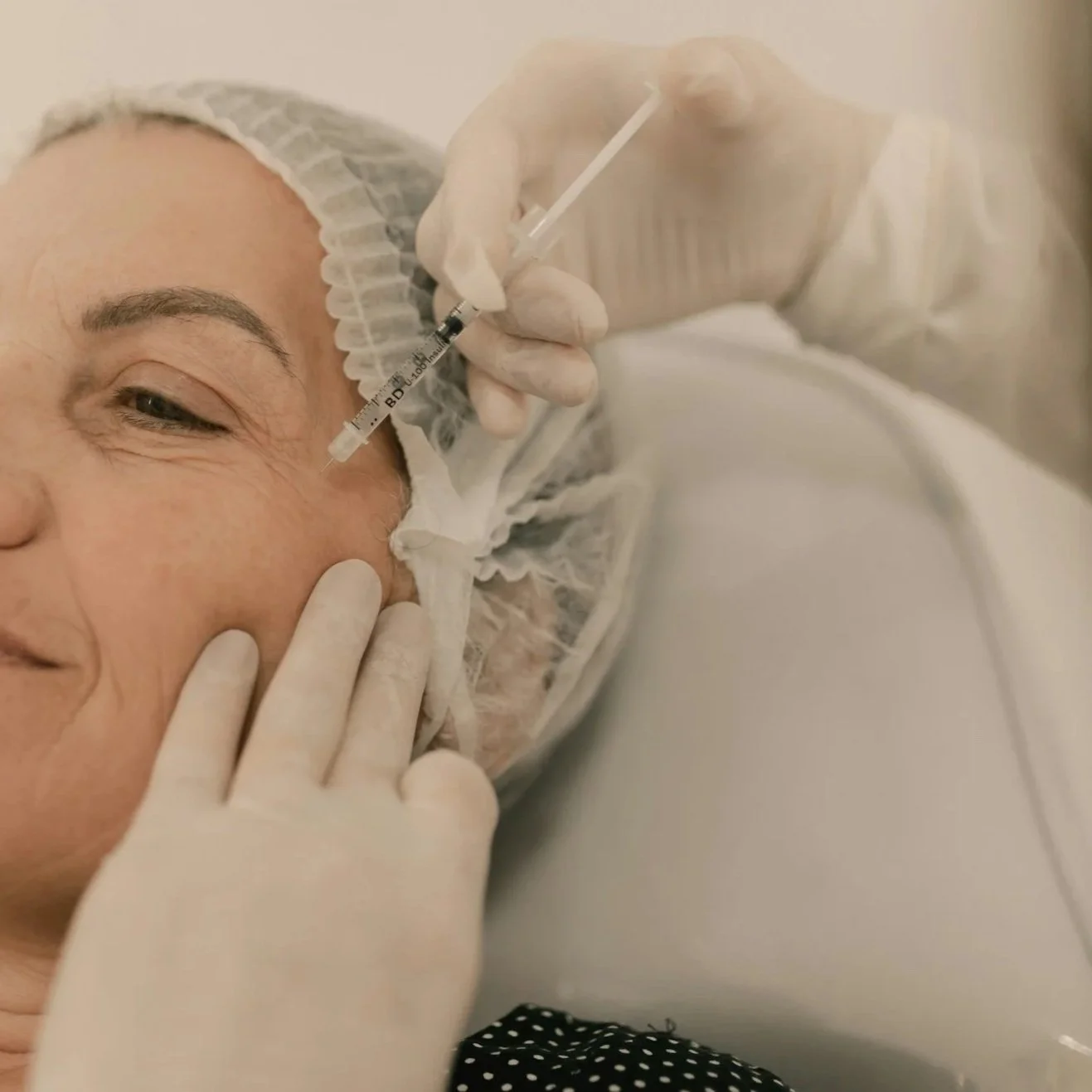
I won't sugarcoat it: this involves needles, and you'll feel something. Most patients describe a quick pinch, somewhere between a mosquito bite and plucking an eyebrow hair. The needles we use for neuromodulators are far thinner than anything you'd encounter during a blood draw or a vaccine, and the entire process wraps up in under ten minutes.
I do use numbing cream, ice, and a vibration tool called the “Nue Vibe” to distract your body from the injections. These 3 things reduce your discomfort during any injection.
For patients who are genuinely nervous, we have options. Ice packs numb the skin before we start, and vibration tools distract the nerve endings during the injection. I've treated patients who were convinced they'd pass out and ended up laughing because the whole thing was easier than a dental cleaning.
3. Preparing for Your First Botox Consultation in Alameda
You don't need to do much ahead of time, but a few small steps help minimize the chance of bruising.
Stop aspirin, ibuprofen, and fish oil supplements about a week before your appointment, since these thin the blood and increase bruising risk. Tylenol is fine as a substitute.
Come with a clean face if possible. If you're heading in after work, we'll handle makeup removal for you.
Write down your questions beforehand. I prefer patients who come in with a list because it shows they're taking this seriously.
Treat this consultation like an interview. Ask your injector how long they've been doing this, what happens if you're unhappy with the result, and whether they have before-and-after photos of their own patients. This is your face, and you have every right to vet the person working on it.
4. When Do Results Appear?
You'll walk out of the office looking exactly the same as when you walked in, aside from a few tiny red bumps at the injection sites that fade within twenty minutes. The changes happen gradually over the first week or so.
Days 1 through 3: Nothing visible. Many patients assume the treatment didn't work.
Days 4 through 5: You'll feel some resistance when you try to frown or squint.
Days 7 through 10: Full effect. The skin smooths, and the treated muscles relax into their new baseline.
If you have a big event coming up, plan ahead. Don't schedule your first treatment the day before a wedding or a major presentation. Two weeks of lead time gives the product its full window to settle, and it allows any rare bruising to resolve completely.
5. How Long Do Results Last?
The textbook answer is three to four months, but your body writes its own timeline. The protein gets metabolized gradually, muscle movement returns, and lines slowly reappear. Several factors influence how quickly that happens.
Patients with fast metabolisms tend to burn through the product sooner, and I see this frequently with avid runners, CrossFit athletes, and other high-intensity exercisers who come through my Alameda office. They're often on a strict three-month cycle. Other patients with less muscular activity in their face get five or even six months from a single treatment. We'll dial in your specific rhythm after the first couple of sessions.
Curious whether Botox fits your goals? I'm on Park Street in Alameda regularly. Call 415-362-1846 to set up a consultation, and we'll go through your specific concerns together.
6. Beyond Wrinkles: Other Uses for Neuromodulators
Most people associate Botox with forehead lines and crow's feet, but I use neuromodulators for several conditions that have nothing to do with wrinkles.
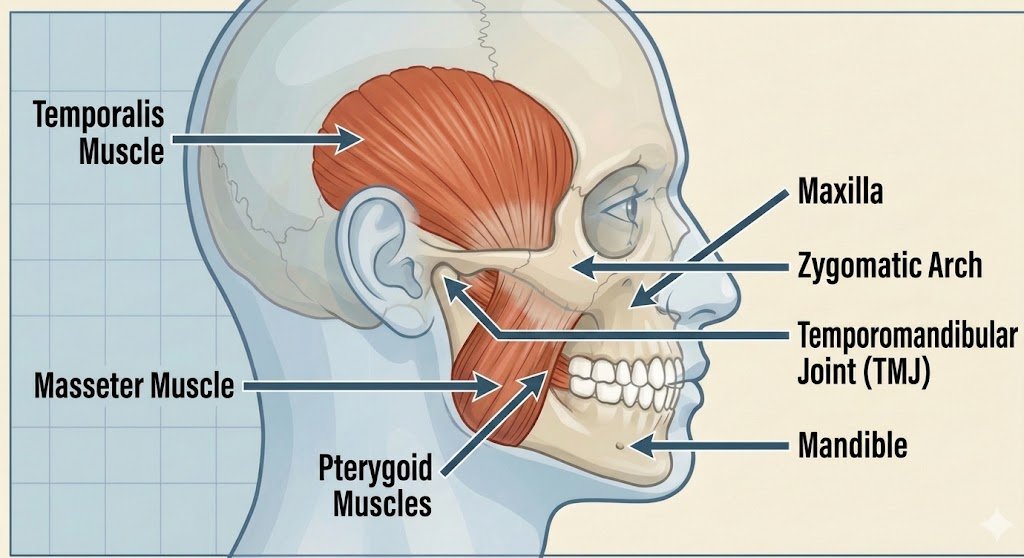
TMJ and jaw tension respond well to masseter injections. The masseter is the large chewing muscle along your jawline, and when it's overworked from clenching or grinding, it creates pain, headaches, and a wider lower face. Relaxing that muscle with a neuromodulator relieves the tension and, as a side benefit, creates a slimmer, more tapered jaw contour.
Hyperhidrosis (excessive sweating) is another common application. Injecting the underarms blocks the nerve signal to the sweat glands, and for professionals who worry about sweating through their shirts during meetings or presentations, this treatment is a significant quality-of-life improvement.
7. Choosing Between Neuromodulator Brands
Botox is the name most people know, but it's not the only option on the market, and brand loyalty shouldn't override what's best for your anatomy and goals.
Botox (Allergan) is the original and has the most name recognition. It's my primary go-to for most treatment areas.
Letybo (Hugel) is my preferred alternative. It comes in at a lower price point and uses a different protein structure, which makes it a smart choice for patients who've developed antibody resistance to other brands.
Dysport (Galderma) spreads slightly more than Botox, so I sometimes reach for it when treating broader areas like the forehead.
Xeomin (Merz) is a "naked" toxin without the extra proteins found in other formulations, which benefits patients who don't respond well to the standard options.
I carry all of these in my practice and select based on the individual patient's anatomy, treatment history, and budget. The active ingredient across all of them is botulinum toxin type A. Think of it like different manufacturers making the same class of medication.
Botox Myths That Need to Die
"Your face will collapse if you stop." This one circulates everywhere, and it's flat-out wrong. When you stop getting injections, your muscles gradually regain full movement and the lines you had before slowly return. You won't look worse than you would have without treatment. In fact, you'll look somewhat better because you paused the deepening process for the months or years you were treating. Think of it like hitting pause on a movie: when you press play again, it picks up where it left off. It doesn't skip to the credits.
"Botox is only for older patients." I treat patients across a wide age range, from their late twenties through their seventies. Younger patients often use small doses preventively to keep lines from setting in, while older patients are addressing creases that have already become etched at rest. There's no minimum or maximum age threshold for this treatment.
"All injectors deliver the same result." California law allows a wide range of providers to inject, including dentists, nurses, physician assistants, and physicians. The anatomy of the face involves arteries, nerves, and dozens of interconnected muscles sitting in close proximity, and the skill gap between an experienced board-certified plastic surgeon and someone who took a weekend certification course is enormous. Your injector determines your outcome.
Frequently Asked Questions
-
Look for three things: experience (how many years they've been injecting, not practicing medicine in general), credentials (board certification in a core aesthetic specialty like plastic surgery or dermatology), and focus (whether injectables are a central part of their practice or a side offering). Your face has complex anatomy with nerves and arteries sitting millimeters apart, and you want someone who treats this area daily.
-
Frequently. Men have stronger facial muscles than women and typically need higher doses to achieve the same relaxation. The aesthetic goal is usually different, too. Most men don't want a perfectly smooth forehead. They want to look less angry or tired, so I leave a few lines in to keep the face looking natural and masculine.
-
Don't lie down for four hours after treatment, since gravity helps the product settle in the targeted muscle
Skip heavy exercise for 24 hours to prevent increased blood flow from flushing the product before it binds
Avoid rubbing your face, getting facials, or wearing tight hats on the treated area for about a week
-
Botox has been FDA-approved for cosmetic use since 2002 and for medical applications even longer. Decades of clinical data and millions of treatments support its safety profile when administered by a trained provider. The product doesn't accumulate in your system. Your body metabolizes it completely between sessions.
-
Neuromodulators are temporary by nature, so any result you're unhappy with will fade within three to four months. If the issue is asymmetry or incomplete relaxation, I bring patients back at the two-week mark for a touch-up at no additional charge. Starting with a conservative dose and adjusting upward is always safer than going too aggressive on the first round.
-
Pricing varies by provider and by how many units your specific anatomy requires. Most patients treating the standard areas (forehead, frown lines, and crow's feet) use between 30 and 60 units per session. I price by the unit rather than by the area, which gives patients transparency and avoids the ambiguity of flat-rate pricing. During your consultation, I'll give you an exact unit count and cost before we start.
Summary
Botox and other neuromodulators are safe, well-established treatments that soften lines and refresh your appearance with minimal downtime. Results develop over the first week, last three to four months on average, and carry none of the "point of no return" risk that patients often worry about. The single biggest variable in your outcome is who performs the injection. Choose your provider carefully, prepare your questions, set realistic expectations, and you'll walk away happy.
I'd like to hear what's on your mind.
Whether you're considering your first treatment or looking for a new provider, a consultation gives us the chance to review your goals, examine your facial anatomy, and map out a plan that fits.
Call 415-362-1846 or email info@drkim.com to set up a time.
San Francisco: 450 Sutter Street, Suite 1440, San Francisco, CA 94108
Alameda: 1403 Park Street, Alameda, CA 94501
Follow and Connect with me on my social media!