
Why Are So Many Alameda Patients Asking for Baby Botox?
Overview
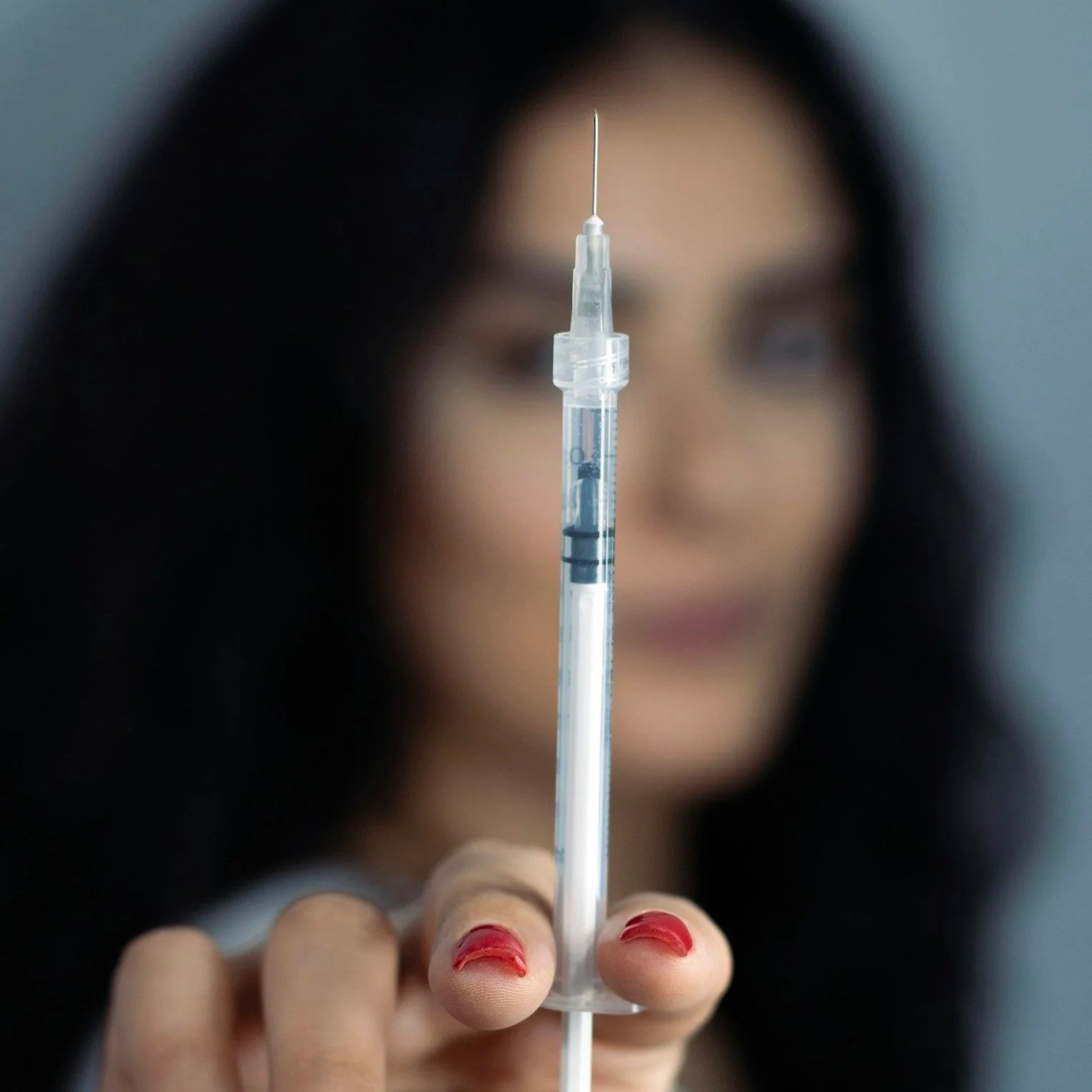
Baby Botox uses smaller doses of neuromodulator to soften fine lines without freezing your facial muscles.
This micro-dosing approach appeals to patients who want wrinkle prevention and a natural finish, not an immobile forehead. The results are subtle: you look rested, relaxed, and like yourself.
What it is: Baby Botox is a dosing technique, not a separate product.
Prevention focus: Prevents deep lines from forming by weakening muscle contractions early.
Trade-off: Wears off faster than standard Botox, so maintenance visits are more frequent.
Ideal candidate: Aligns with the natural, low-key aesthetic Alameda patients prefer.
1. Same Drug, Different Dosing Strategy
I hear this question at my Park Street office multiple times a week. Patients assume Baby Botox involves a different product or a diluted formula, and neither is accurate. We use the same FDA-approved neuromodulators (Botox, Letybo, or Dysport) at every appointment. The difference comes down to how much we inject and where we place it.
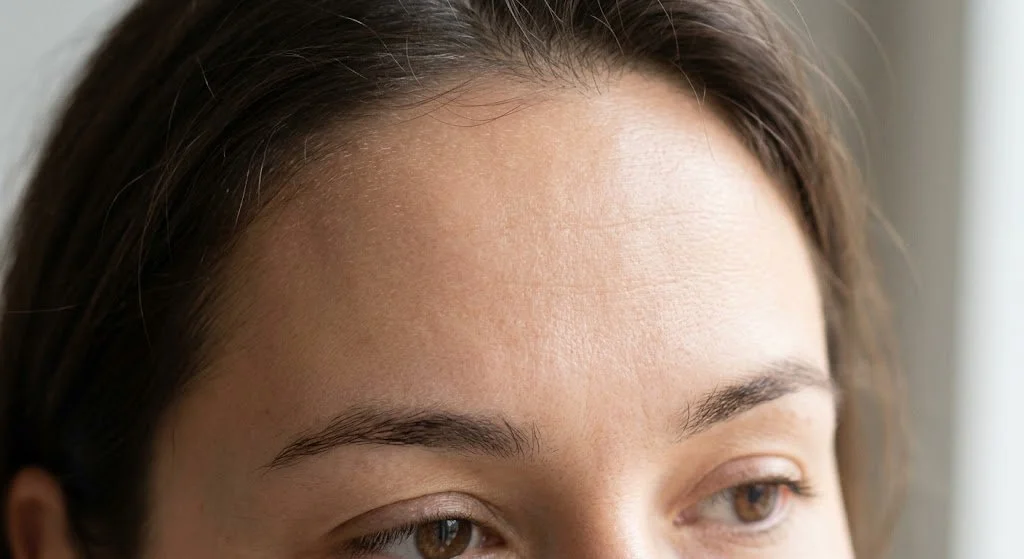
A standard glabellar treatment for the "11s" between your eyebrows typically calls for about 20-25 units. At that dose, the muscle stops contracting, and deep furrows smooth out. For someone with entrenched static lines, full dosing is the right call.
Baby Botox takes a lighter approach. We might use 10 to 12 units in that same area, or spread micro-doses across the forehead in a pattern designed to soften movement rather than stop it entirely. The goal is to weaken the muscle enough to smooth the overlying skin while preserving your ability to raise your eyebrows, show surprise, or frown slightly.
For younger patients or anyone nervous about looking overdone, this approach works well. Your friends might notice you look refreshed. They won't guess you had anything done.
2. Prevention Beats Correction
The surge in Baby Botox requests from Alameda residents reflects a shift in thinking about when to start treatment. The old approach was to wait until wrinkles had become permanent before doing anything about them. We now know that intervening early, before lines etch into the skin, produces better long-term outcomes with less product.
Think about folding a piece of paper. Fold it gently once or twice, and the crease disappears when you smooth it flat. Crumple the same paper every day for a decade, and those creases become permanent. No amount of smoothing removes them.
Preventative Botox acts as a buffer against those repetitive crumpling movements that break down collagen over time. One of my patients, a 28-year-old from the East Bay, came in with no wrinkles at rest but noticed a faint line forming when she frowned. We used a micro-dosing pattern that kept her forehead smooth without making her look frozen or older than her age. That's the sweet spot: intervene early, use less product, preserve your collagen structure longer.
[READ HERE: When Should I Start Getting Botox?]
3. The Duration Trade-Off
I believe in total transparency, so this is the part I make sure every patient understands before we proceed. Lower doses produce softer results, but are not as “effective” as regular dosing.
Standard Botox treatments typically last three to four months. With micro-dosing, the muscle was never fully paralyzed, so it may recover its strength faster. You might notice movement returning around the three month mark.
If your schedule allows for more frequent visits to my Alameda or San Francisco office, this approach works beautifully. If you'd prefer to come in 2-3 times a year - not 4 times a year - standard dosing is the better fit.
Some patients see the slightly shorter duration as a feature, not a bug. It feels like a smaller commitment. If you try it and want more or less effect next time, we adjust at the follow-up. You're never stuck with a result for long.
Curious whether your anatomy suits a lighter dosing approach?
I'll assess your muscle strength and animation patterns in person. Call 415-362-1846 to schedule a consultation at my Alameda or San Francisco office.
4. Why Customization Determines the Result
Social media makes injectable treatments look like a commodity, something you order off a menu without much thought. Facial anatomy varies wildly from person to person, and treating two different patients the same way leads to mediocre results for both.
A patient with strong corrugator muscles needs a drastically different dose than someone with weak muscles and heavy brows. Put a baby dose in a strong muscle, and it does nothing. Put a full dose in a weak muscle, and you risk a heavy brow or a droopy eyelid.
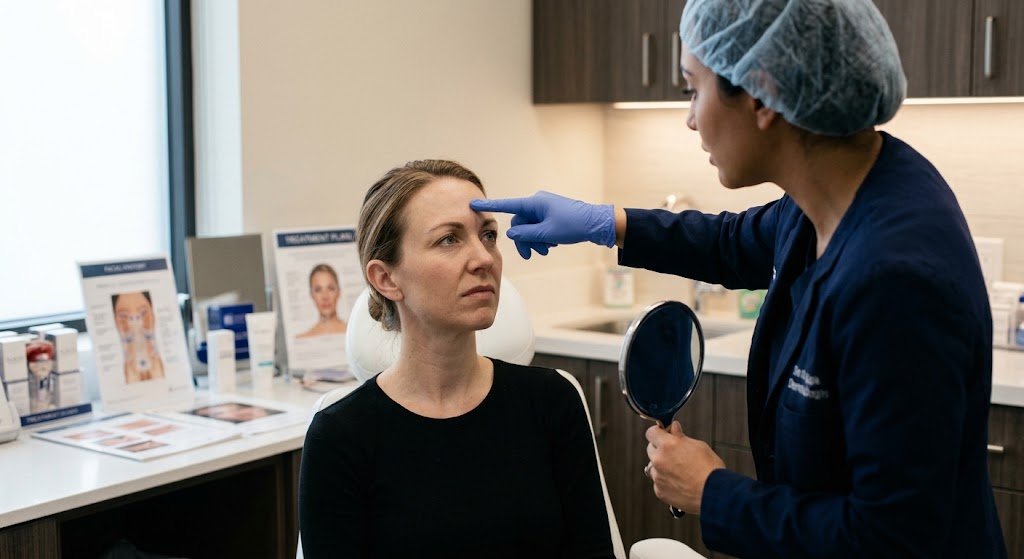
Natural-looking Botox requires an assessment of your individual animation patterns. I watch you talk. I ask you to make faces. I feel the thickness of the muscle. One of my patients has a right eyebrow that sits naturally higher than her left, and if I injected both sides symmetrically, I'd exaggerate that imbalance rather than correct it. Adjusting the dose on each side creates the balance she wants.
This level of detail is why I handle every injection myself rather than delegating to a nurse injector. Understanding the underlying anatomy is what separates a good result from a great one.
5. Why Alameda Patients Lean Toward Subtle Injections
My practice operates in two locations, and the aesthetic preferences differ between them. Alameda has a more relaxed pace, with patients who spend weekends at the beach or walking along Park Street. The vibe here leans toward "undetectable." Most of my Alameda patients work in professional settings where a frozen forehead attracts the wrong kind of attention.
They want to look like they slept eight hours, not like they visited a plastic surgeon.
I use this technique often for crow's feet. The goal is to soften those lines enough that concealer stops creasing in them, without wiping away the natural crinkle around your eyes when you laugh. A genuine smile engages the entire eye area, and if we freeze it completely, your expression loses its warmth. Baby Botox preserves that warmth while still smoothing the skin at rest.
6. What Happens at a Baby Botox Appointment
The appointment itself is quick, usually 15 to 20 minutes from start to finish. I begin by assessing your facial movement patterns while you're sitting upright and talking, because the muscles behave differently when you're lying flat versus animated.
I map out injection points with a marker, explain how many units I'm placing at each site, and walk through what you should expect over the next two weeks. The injections themselves take a few minutes. Most patients describe the sensation as a tiny pinch, and because we're using smaller volumes of fluid with micro-dosing, there's often less stinging than with standard treatments.
You leave the office and go straight back to your day. No downtime, no bandages, no recovery period.
Common Myths About Baby Botox
Myth: Baby Botox is a different drug or a diluted formula.
It's the same FDA-approved neuromodulator at a lower dose. Nothing is diluted, reformulated, or off-brand.
Myth: You'll look frozen no matter how little product is used.
The frozen look comes from overdosing or poor placement, not from the drug itself. Correct technique at any dose level produces a natural result. Micro-dosing adds an extra margin of safety for first-timers.
Myth: Baby Botox is only for women.
I treat many men who prefer this lighter approach. A subtle reduction in deep forehead furrows helps them look less stressed or angry without changing their masculine features. Men almost always gravitate toward micro-dosing.
[READ HERE: Brotox: Why More Men Are Choosing Neuromodulators]
Frequently Asked Questions
-
Typically, yes, because fewer units are used and pricing is per-unit. A standard forehead treatment might run 20 to 25 units, while a Baby Botox session in the same area uses 10 to 15. The per-session price drops accordingly. Keep in mind that you'll need more frequent maintenance, so your annual spend often comes out similar to standard dosing.
-
Neuromodulators take three to four days to begin working, with the full effect visible at the two-week mark. This timeline stays the same regardless of how many units are injected. I always tell patients to wait the full two weeks before assessing the outcome. If you have a big event, schedule your appointment at least three weeks out to allow for the product to settle and any minor bruising to resolve.
-
Minimal. I use the smallest gauge needles available, and most patients compare it to a brief pinch. The micro-dosing approach involves smaller volumes of fluid at each site, which tends to reduce the stinging sensation. The entire injection process takes a few minutes, and you return to normal activity immediately.
-
Absolutely. Neuromodulators are temporary, and we adjust your plan at every visit. You might start with micro-dosing for an event where you want full facial movement, then switch to a stronger dose later if you decide deeper wrinkle suppression is the priority. Nothing about this approach locks you into one protocol.
-
Patients in their late twenties to early thirties who want to prevent lines from deepening, anyone who's tried Botox before and felt the result was too stiff, and first-timers who want to test the waters with a conservative starting dose. If you have deep, etched-in wrinkles at rest, standard dosing will give you a more noticeable improvement.
-
Most Baby Botox patients return every 8 to 10 weeks, compared to every 12 to 16 weeks for standard dosing. The muscle recovers its strength faster when it was never fully relaxed, so the maintenance cadence is tighter. I work with each patient to find a schedule that fits their lifestyle and budget.
Summary
Baby Botox gives patients a way to soften fine lines and prevent deeper wrinkles without sacrificing the facial expressions that make them look like themselves. It's the same neuromodulator at a lower dose, placed with precision to weaken muscles rather than paralyze them. The trade-off is shorter duration and more frequent visits. For my Alameda patients who value looking rested and authentic over looking "done," this approach fits their lifestyle and their aesthetic goals.
Book Your Consultation with Dr. Roy Kim
If you're interested in Baby Botox, I'd like to see your facial anatomy in person and walk you through a dosing plan tailored to your goals.
San Francisco: 450 Sutter Street, Suite 1440, San Francisco, CA 94108
Alameda: 1403 Park Street, Alameda, CA 94501
Call 415-362-1846 or email info@drkim.com to set up a time.
Follow and Connect with me on my social media!