
Does Getting Stitches Removed Hurt After Surgery?
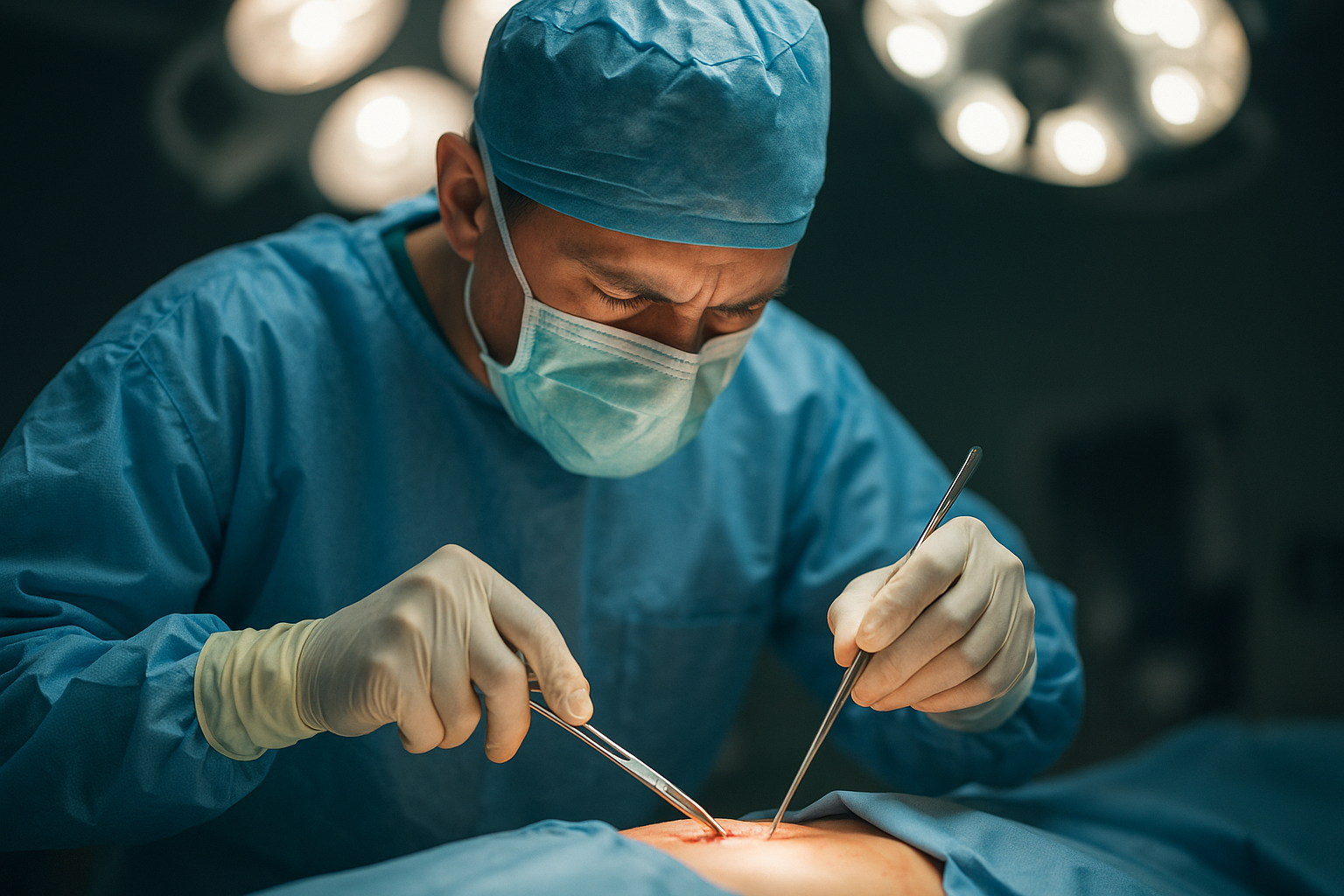
Most people describe stitch removal as a brief tug, pinch, or pulling sensation rather than significant pain. It usually takes 5 to 15 minutes and does not require anesthesia. Tender or embedded sutures can feel more uncomfortable, so tell your surgeon if the area is very painful, swollen, or draining before your appointment.
How Painful Is Stitch Removal on a 1 to 10 Scale?
Most patients rate suture removal at a 1 or 2 out of 10. That is not the same as saying it is comfortable — you will notice something — but it is a very different category from surgical pain or the first 48 hours of recovery.
The anxiety leading up to suture removal is almost always worse than the removal itself. Your brain still files the incision area under "danger" long after the tissue has healed.
The first 48 hours after surgery are the genuinely uncomfortable phase. Suture removal is a non-event by comparison.
The anxiety leading up to suture removal is almost always worse than the removal itself. Your brain still files the incision area under “danger” long after the tissue has healed.
What Stitch Removal Feels Like
The technique itself is straightforward: Dr. Kim uses fine-tipped scissors to snip the suture close to the skin surface, then slides the thread out with forceps. Each suture takes a few seconds. The snip produces no sensation. The brief sliding-out step is where you will notice a mild tugging or pulling.
Different body areas feel slightly different:
Eyelid sutures (blepharoplasty): produce more anxiety than actual discomfort, largely because instruments are working near the eye. The tissue is thin and the feeling is noticeable, but pain is minimal. See: Blepharoplasty: Upper and Lower Eyelid Surgery
Facial sutures (facelift, necklift): fall in the middle. Patients are consistently surprised by how mild it is. See: Facelift and Neck Lift: What to Know
Breast and body sutures: the skin is thicker, making removal less noticeable. External sutures after breast surgery are often minimal because Dr. Kim uses absorbable sutures in the deeper layers. See: Breast Augmentation Aftercare Guide
Nose sutures (rhinoplasty): external sutures are removed at 5 to 7 days. Splints and internal packing follow a separate timeline. See: Rhinoplasty in San Francisco
Removal Timing by Procedure
Suture timing is not arbitrary. Remove them too early and the incision has not yet established enough tensile strength. Leave them too long and the material creates "railroad track" marks on either side of the scar. The schedule below reflects standard wound-healing principles that Dr. Kim applies in his San Francisco and Beverly Hills practices.
| Procedure | Typical Removal Timing | Notes |
|---|---|---|
| Eyelid surgery (blepharoplasty) | 5 to 7 days | Eyelid skin heals quickly due to excellent blood supply |
| Facelift and necklift | 7 to 10 days, sometimes staged | Sutures near the ears often come out first; others follow 2–3 days later |
| Breast surgery | 7 to 14 days (external) | Many breast procedures use absorbable sutures internally, so external removal is often minimal |
| Rhinoplasty (nose) | External: 5 to 7 days | Nasal splints and internal packing follow a separate schedule |
| Tummy tuck / body procedures | 10 to 14 days | Thicker abdominal skin requires a longer window to build wound strength |
Why Some Stitches Hurt More Than Others
Embedded or partially overgrown sutures
Occasionally the skin heals over part of a suture before the removal appointment. A brief soak with sterile saline loosens it in most cases. In rare instances Dr. Kim uses a fine needle to lift the suture loop — even that step feels like a brief pinch. If the area is noticeably tender, let the office know when you arrive.
Why permanent sutures are used near the skin surface
Patients sometimes ask why they have to come in for removal when a friend's sutures dissolved on their own. The answer is scar quality. Permanent suture material causes the least tissue reaction, which means less inflammation and, ultimately, a finer scar. Absorbable sutures require your body to actively break down the material — that process triggers inflammation right at the skin surface where the scar is visible. Dr. Kim reserves absorbable sutures for the deep internal layers where any scarring stays buried, and uses permanent material at the skin surface. The office visit is a worthwhile trade-off. For more on long-term scar care after your procedure, see: Scar Care After Plastic Surgery.
Before and After Your Appointment
What to do before the appointment
Follow any wound-care instructions provided at discharge — keep the incision clean and dry until told otherwise.
Avoid sun exposure on the incision area. UV light during early healing permanently darkens scars.
Do not apply lotions, creams, or makeup to the suture line unless specifically instructed.
If you are very anxious, call the office ahead of time. Taking a prescription pain medication is unnecessary for most patients — if you need something for anxiety rather than pain, the team can discuss appropriate options with you beforehand.
Most patients can drive themselves to the appointment as long as they are no longer taking prescription sedatives or opioids. When in doubt, ask.
What to expect after removal
The incision may look slightly red or feel mildly tender for a day or two — both are normal.
A tiny drop of blood at the suture site is normal. Ongoing bleeding or any visible gap in the incision is not.
Continue sun protection for at least six months. Silicone gel or silicone sheeting — started once the incision is fully closed — is the most evidence-supported approach for improving scar appearance.
Attend all follow-up appointments as scheduled so Dr. Kim can confirm healing is progressing as expected.
When to Call Your Surgeon
Contact Dr. Kim’s office promptly if you notice any of the following before or after suture removal:
- Increasing pain, warmth, or redness spreading away from the incision line
- Swelling that is worsening rather than improving
- Yellow, green, or foul-smelling drainage
- Fever above 101.5 °F (38.6 °C)
- Visible separation or gaping of the incision edges
- Bleeding that does not stop with gentle pressure
- Sutures that look partially absorbed into the skin before your appointment date
Call the office at (415) 362-1846 or email info@drkim.com. In an after-hours emergency, follow the instructions on the office voicemail.
Myths About Suture Removal
"Suture removal is the most painful part of plastic surgery recovery." Not even close. The first 48 hours after surgery are the uncomfortable part. Suture removal is a non-event. Most patients rate it a 1 or 2 out of 10.
"Leaving sutures in longer means better healing." Opposite. Sutures left in too long create "railroad track" marks on either side of the scar from the material sitting in the skin past its ideal removal window.
"I should take painkillers before my removal appointment." Unnecessary for most patients. If you need medication for anxiety rather than pain, call the office beforehand and we'll figure it out. Popping a Vicodin for suture removal is like wearing a helmet to ride an elevator.
Frequently Asked Questions
-
Occasionally a suture becomes partially covered as skin heals over it. A brief saline soak usually loosens it. If a fine needle is needed to lift the suture loop, the sensation is a brief pinch — not significantly more than a standard removal. If your incision area is tender before your appointment, mention it when you check in.
-
It happens occasionally when there's crusting around the suture. A gentle soak with saline loosens it right up. In rare cases I'll use a fine needle to lift the suture loop from under healed skin, and even that is more of a brief pinch than anything else.
-
When sutures are removed after the tissue has established adequate wound strength — which is why timing varies by procedure — reopening is rare. Removing them too early does increase that risk, which is one reason the timing guidelines exist.
-
Most patients can drive themselves, provided they are no longer taking prescription opioids or sedatives. If you are unsure whether your current medications affect driving ability, check with the office when you book.
-
A tiny drop of blood at the suture site is expected and normal. Active or ongoing bleeding, significant oozing, or any visible separation of the incision edges should be reported to Dr. Kim's office promptly.
-
Deep breathing and looking away from the incision area during removal are the most practical strategies. If anxiety is significant, call the office ahead of time so the staff can prepare. Pre-medicating with a prescription pain pill is unnecessary for stitch removal — if you need something for anxiety specifically, the office can discuss appropriate options before your appointment.
Summary
Suture removal sounds much worse than it is. Once you're in the chair, it's over in minutes: a slight tugging sensation, a breast implant to squeeze if you need it, and you're done. The stitches are out, the healing continues, and you don't have to think about it again.

Schedule Your Consultation
Questions about your upcoming procedure or post-surgical care? Contact our San Francisco office at 415-362-1846 or email info@drkim.com to schedule a consultation with Dr. Kim.
Follow and Connect with me on my social media!