
What Is the Best Facelift Technique in San Francisco?
By Roy Kim, MD, board-certified plastic surgeon | Updated September 2026
Overview
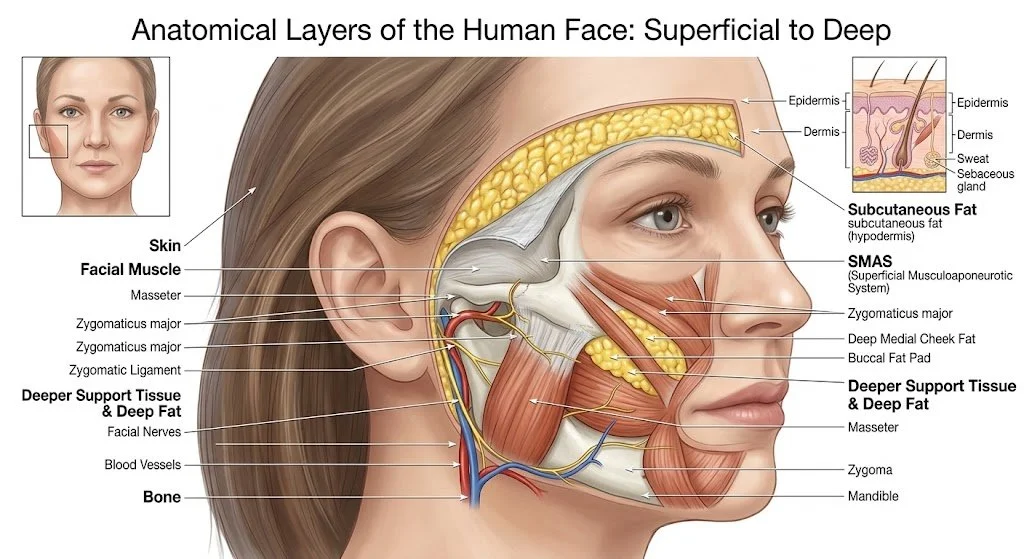
A facelift repositions the deeper structural layers of the face, not the skin, which is why a modern result looks rested instead of pulled.
Faces age in layers. Bone, fat pads, and the SMAS shift downward before the skin shows the change.
Deep plane surgery, SMAS plication, and the mini lift each correct different anatomy, and the right choice follows your examination.
The neck is planned as part of the face in most operations.
Healing unfolds across follow-up visits, and scars mature into fine lines concealed around the ear.
Technique, extent of neck work, and fee are set at your consultation.
1. How Does a Facelift Work?
A facelift works by releasing and repositioning the SMAS, the fibrous layer beneath the facial skin, along with the fat pads it supports. The skin itself is redraped without tension once the deeper layers sit where they belong. That distinction is the entire difference between a rested result and a pulled one.
The face is built in layers, and aging moves through every one of them. Bone recedes along the jaw and around the eyes, fat pads slide downward, and the SMAS, the fibrous sheet beneath the skin, loosens its hold. Skin is the last layer to show the change, which is why tightening skin alone cannot produce a lasting result. Releasing the SMAS and its retaining ligaments lets me move the deeper structure back to where it belonged, and the skin follows without tension.
This matters for how long a result lasts. Skin stretched tight relaxes; structure repositioned and fixed at depth holds. The deep plane approach releases the ligaments that tether the SMAS so the whole composite moves together. SMAS plication folds and secures the layer without full release, which suits more moderate changes. The mini lift works through shorter incisions on the lower face alone, accepting limits in exchange for a shorter recovery.
2. What Are the Main Facelift Techniques?
Three techniques cover nearly every facelift I perform: the deep plane facelift, the SMAS plication facelift, and the mini facelift. Each addresses different anatomy, and the examination decides which one fits.
The deep plane facelift: releases the retaining ligaments and repositions the SMAS, fat pads, and skin as one composite unit. This is the operation for established descent through the cheek, jowl, and neck.
The SMAS plication facelift: folds and sutures the SMAS without full ligament release. This suits moderate lower-face aging where the deep plane release is more than the anatomy requires.
The mini facelift: works through shorter incisions on the lower face and jawline only. This suits early jowling with a good neck, and it accepts that the midface and neck are not addressed.
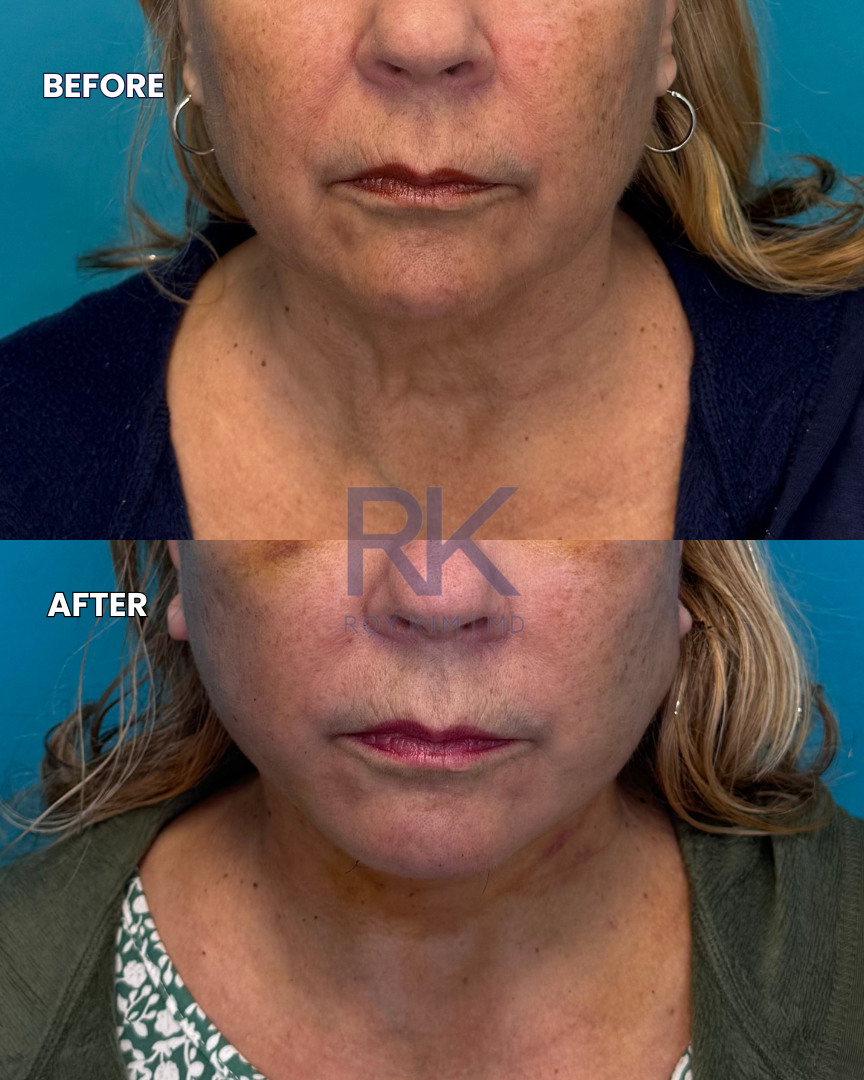
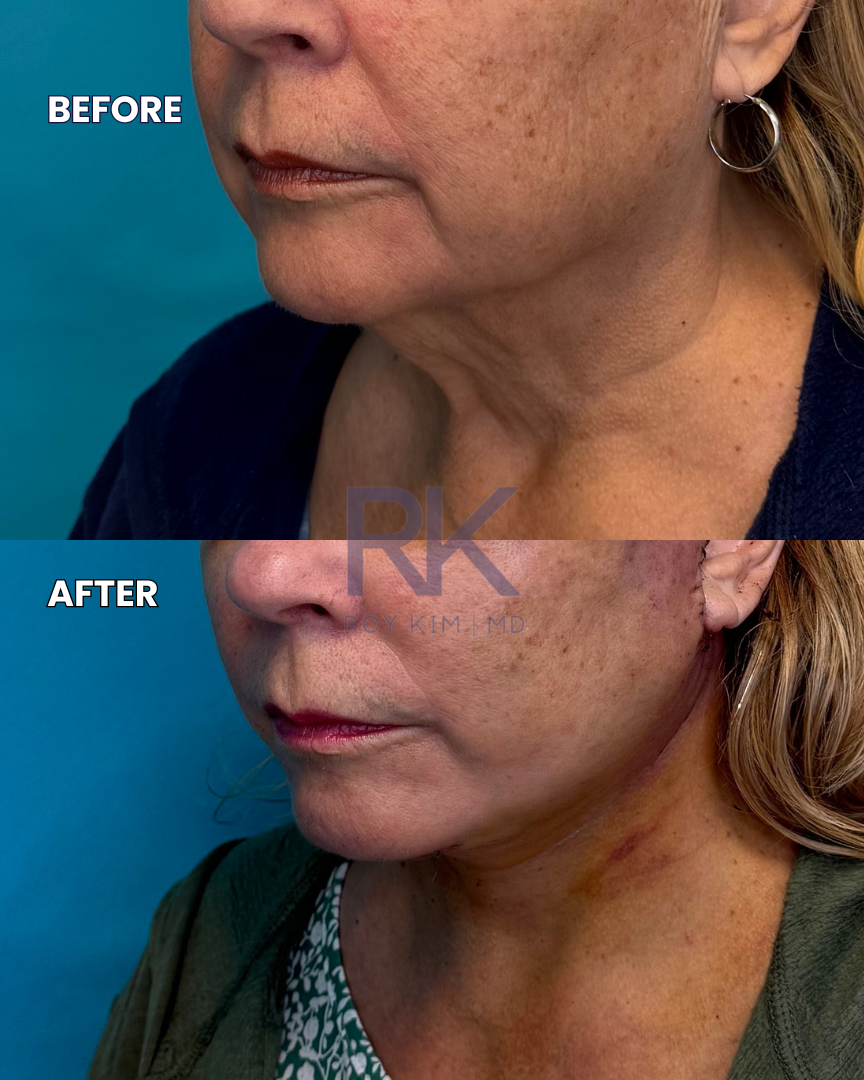
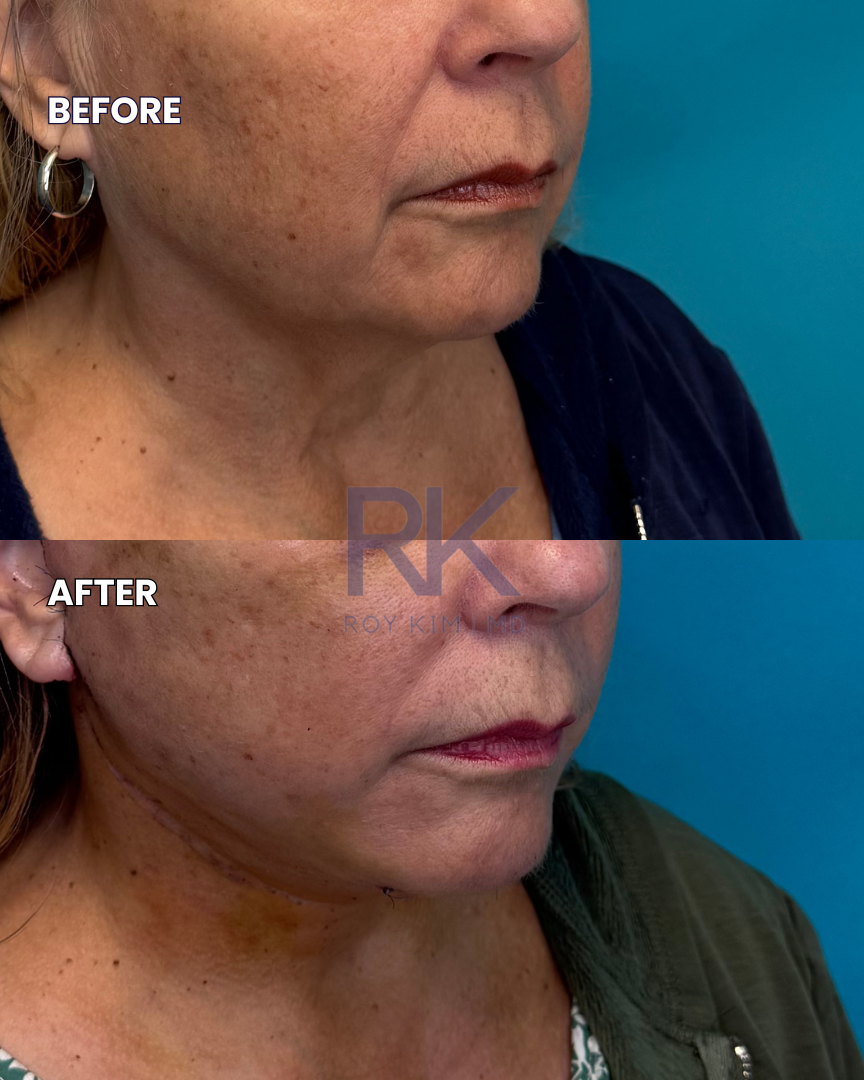
3. What Do I Examine Before Recommending a Technique?
I examine the face layer by layer, and each layer answers a different part of the technique question.
The midface: cheek volume and position, which tell me whether the deep plane release is warranted.
The lower face: jowl formation and jawline definition, which shape the choice between full and limited approaches.
The neck: banding, fullness under the chin, and how the skin drapes.
The skin itself: thickness and elasticity, which shape healing more than technique choice.
4. Why Is the Neck Part of Almost Every Facelift?
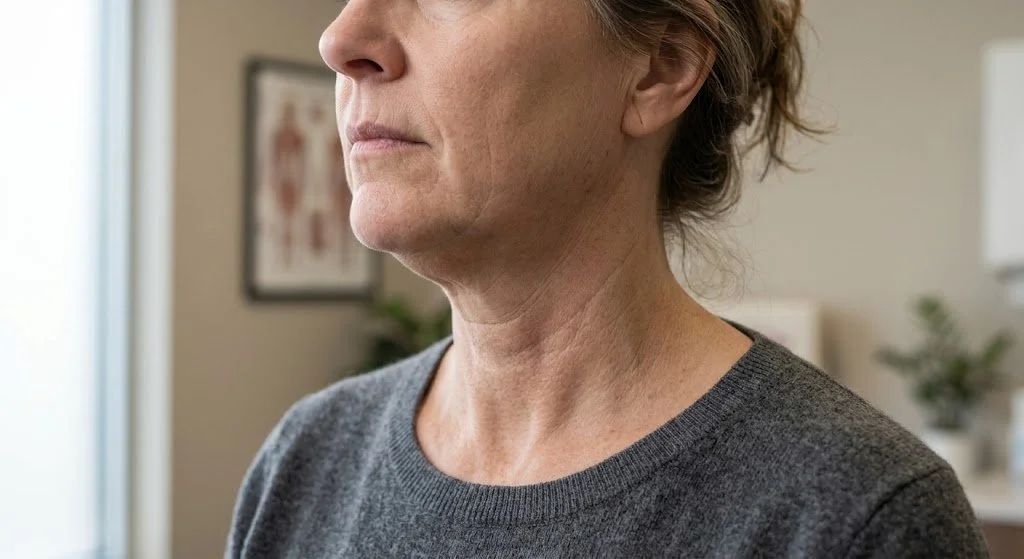
Because the face and neck age as one unit. A smooth jawline means little if the neck below it still bands and sags, so the platysma muscle, the fat beneath the chin, and the draping skin are planned together with the face. The neck is not an add-on, it is half the result.
Three maneuvers cover nearly every neck I treat. Platysmaplasty tightens the platysma muscles to sharpen the angle between the jaw and the neck. Submental liposuction removes fat from beneath the chin through a small incision. Deep neck contouring addresses fat that sits beneath the platysma itself, which liposuction alone doesn't reach. The exam determines which combination your neck needs, and I'll tell you when the answer is none of them.
Talk Through Your Options in Person
The right plan starts with an examination of your face and neck together, in good light, with an honest discussion of trade-offs. Call 415-362-1846 to schedule a consultation at my San Francisco office, and bring every question you have.
5. What Happens at a Facelift Consultation?
I examine your face and neck together, take standardized photographs, and walk you through what repositioning would change and what it would not. You'll hear which technique fits your anatomy, what the neck portion involves, and what the fee covers. You'll leave with a plan, and sometimes that plan is to wait.
The examination
I assess the face layer by layer in front of a mirror with you, so you see what I see. I look at fold depth, jowl formation, neck banding, and skin quality with you, and I note facial asymmetry, because every face is asymmetric and the plan has to respect that.
The surgical plan
The plan covers which technique matches your anatomy and why, what the neck portion adds, and which adjuncts are worth discussing, such as fat grafting or eyelid surgery. Trade-offs are part of the conversation, including what a smaller operation leaves on the table.
The fee
You receive an itemized quote covering the surgical fee, the operating room, and anesthesia. I quote in person because the number follows the examination, not the other way around.
6. Am I a Good Candidate for a Facelift?
Good candidates have facial aging that surgery corrects, meaning descended tissue and loose skin rather than volume loss alone, plus the health to heal well. Stable weight, no nicotine, and well-controlled blood pressure and blood sugar are the foundations I look for. The consultation sorts out the rest.
Loose skin or descended tissue through the lower face and neck that non-surgical options don't correct.
A stable weight, since major weight shifts after surgery change the result.
No nicotine use, because nicotine compromises blood flow and wound healing.
Medical conditions such as blood pressure and diabetes under good control.
A clear understanding of what surgery changes and what it leaves alone.
7. What Are the Non-Surgical Alternatives to a Facelift?
Thread lifts, ultrasound and radiofrequency tightening, dermal fillers, and laser resurfacing each improve something, and none of them repositions descended facial tissue. They are reasonable choices for early or mild changes, and reasonable adjuncts after surgery. They are not substitutes for a lift once jowls and neck laxity are established.
Thread lifts place barbed sutures under the skin to hitch tissue upward, and the lift they produce is modest and temporary. I don't recommend them as a facelift alternative, because threads don't release ligaments or reposition the SMAS, which is where lasting correction happens.
With ultrasound devices such as Ultherapy and radiofrequency platforms such as Sofwave, controlled heat stimulates tightening with little to no downtime. They produce genuine improvement in mild laxity and serve as useful adjuncts around a surgical plan. Manufacturers update these platforms regularly, so the device offered today is not the one from five years ago, and the consultation is the place to ask which generation is in use.
For volume loss, hyaluronic acid fillers such as Juvéderm and Restylane restore fullness where fat has thinned, and in the right face that reads as rejuvenation. Fillers don't lift or reposition descended tissue, and overfilling creates the puffy, overdone look that gives the whole category a bad name. Volume and lifting are different jobs.
On the surface side, laser resurfacing improves skin quality, fine lines, and pigmentation, which surgery doesn't address. It pairs well with a lift done under the same anesthesia, since the operation handles structure while the laser handles surface. Used alone, it doesn't correct jowls or neck laxity.
8. What Is Facelift Recovery Like?
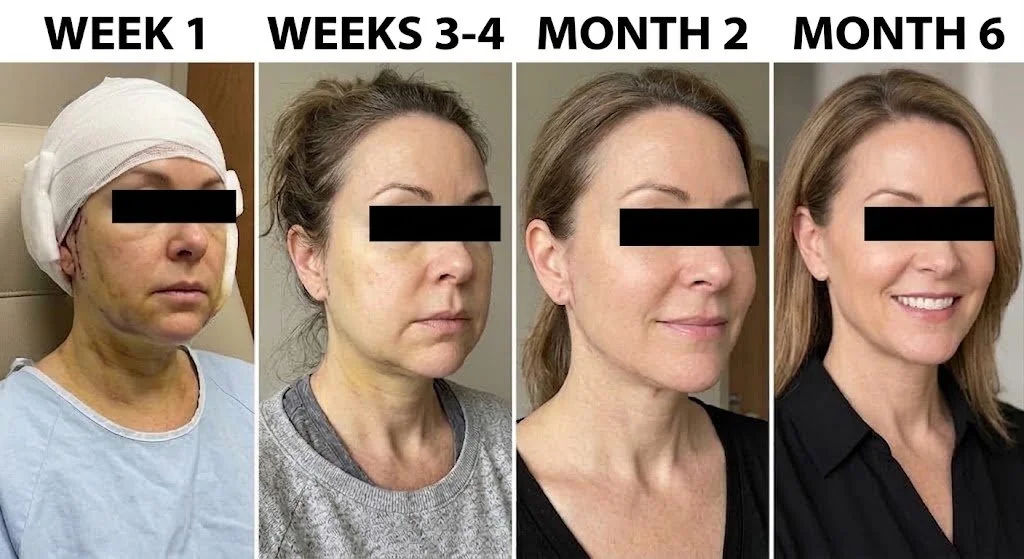
Recovery is a healing process with distinct phases, not a single event. The first days center on rest with a compression dressing in place, early follow-up visits track your progress, and swelling and bruising fade as healing advances. Social confidence returns well before the scars finish maturing, which takes far longer than the visible recovery.
The operation ends with a compression dressing that supports the tissues as they settle, and it comes off at the first follow-up visit. Sutures are removed across the early visits, not all at once, and each visit gives me a look at how your healing is progressing. Tightness and pressure are the usual sensations rather than sharp pain, and that pattern has held across my 25 years in practice. I'll tell you what to expect from your medications before you leave.
Bruising and swelling are most obvious early on, then soften steadily. Most of the visible healing resolves over the following weeks, while subtle swelling lingers far longer and is usually something only you notice. Scars pass through a red, raised phase before fading into fine lines, and sun protection during that period is not optional.
Plan for help at home during the first days, and arrange your calendar so real rest is possible. Sleep with your head elevated, follow the activity guidance I give you, and keep every follow-up appointment even if you feel fine. Healing rewards patience more than any product applied afterward.
9. What Are the Risks of Facelift Surgery?
Every operation carries risk, and a facelift is no exception. The risks worth understanding are hematoma, nerve changes, skin healing problems, unfavorable scarring, and infection. Each is uncommon, each has a standard treatment, and choosing a board-certified plastic surgeon with a fully accredited operating facility is how you keep them that way.
Hematoma. Blood collecting under the skin after surgery. It requires prompt drainage, which is why well-controlled blood pressure before surgery matters.
Nerve changes. Temporary weakness of facial movement or numbness can occur and usually resolves. Permanent nerve injury is rare.
Skin healing problems. Delayed healing or skin loss is uncommon and tied to blood supply, which is why nicotine is a dealbreaker.
Unfavorable scarring. Most scars mature into fine lines, but some heal thick or raised and need treatment.
Infection. Rare in facelift surgery, and treated with antibiotics when it occurs.
Frequently Asked Questions
-
That's the entire goal. A well-planned lift restores the structure you had, and the people who know you should read the change as rested, not different. If a result looks operated on, the planning missed, not the patient.
-
The usual description is tightness and pressure rather than sharp pain, and I'll walk you through what to expect from your medications before surgery.
-
Most full facelifts are performed under general anesthesia in an accredited operating facility. A mini lift is sometimes performed under sedation, and the anesthesia plan is set at your consultation based on the extent of surgery.
-
I quote every fee in person, because the number follows the examination: the technique, the extent of neck work, anesthesia time, and any combined procedures all shape it. A meaningful quote requires an examination of your face and neck.
-
When the eyes show aging that the lift does not address, combining them makes sense and means a single recovery. When the eyes are not a concern, adding surgery you do not need is never the right call. The examination settles it.
-
Anatomy answers this, not the calendar. Some faces show significant descent in their forties while others hold structure into their sixties, and the operation is indicated when tissue position calls for it. I have operated across that whole range, and the exam, not the birth year, makes the decision.
-
Stop all nicotine well before surgery, review every medication and supplement with me, arrange help at home for the first days, and keep your schedule clear enough for rest and follow-up visits. Preparation is unglamorous, and it directly shapes how smoothly you heal.
Summary
A facelift repositions the deeper layers of the face, with the SMAS and its retaining ligaments as the real target market and the skin redraped without tension. Technique follows anatomy. Deep plane surgery suits established descent through the cheek, jowl, and neck, SMAS plication suits moderate lower-face aging, and the mini lift suits an early jawline. The neck is planned with the face, non-surgical options have defined limits, and candidacy comes down to health and anatomy. Recovery unfolds across follow-up visits, scars mature into fine lines, and results are protected by sun discipline and maintenance. The consultation is where all of it becomes a plan.
Schedule Your Consultation
Call 415-362-1846 to schedule your consultation with me. I'll examine your face and neck together, show you what repositioning would change, and give you a straight recommendation, including when the right answer is to wait.
Roy Kim, MD, board-certified plastic surgeon.
San Francisco office: 450 Sutter Street, Suite 1440, San Francisco, CA 94108.
Alameda office: 1403 Park Street, Alameda, CA 94501.
Phone: 415-362-1846.
Email: info@drkim.com
