
What Helps Botox Last Longer? Advice for Alameda Patients

Overview
The single biggest factor in Botox longevity is dosage. Under-dosing saves money in the short term but costs more over time because results fade weeks earlier than they should.
Proper Dosing: Low unit counts wear off faster because fewer nerve receptors are blocked at the neuromuscular junction.
Zinc Supplementation: Botulinum toxin is a zinc-dependent enzyme, and low zinc levels reduce binding efficiency.
Treatment Consistency: Regular intervals keep muscles weakened, so each session builds on the last.
Metabolism: High-intensity athletes tend to process the product faster.
Skin Quality: UV damage and collagen loss work against the smooth results Botox delivers.
1. Everyone Metabolizes Neuromodulators Differently
Patients walk into my Alameda office on Park Street expecting their treatment to last exactly four months because a friend told them hers did. It rarely plays out so neatly. Everyone processes botulinum toxin at their own rate, influenced by genetics, activity level, and overall metabolism.
Standard duration for Botox, Dysport, or Daxxify runs between three and four months. Some patients stretch to five, while others notice movement creeping back by week ten. That range isn’t a defect in the product, it’s biology doing what biology does.
Think of your neuromodulator like a tank of gas. A hybrid cruising down Shoreline Drive burns fuel slowly, while a sports car pushed hard across the Bay Bridge goes through the same tank in half the time. Your body’s chemistry sets the burn rate, and I have to work with it rather than fight it.
Lifestyle amplifies the effect. A runner training along the Alameda estuary trail felt her results disappeared after two months, and she wasn’t wrong. Her metabolism was running at full speed, processing everything faster, including the proteins in her injection. We adjusted her schedule to match her pace instead of pretending her biology would cooperate with a textbook timeline.
2. Dose Equals Duration
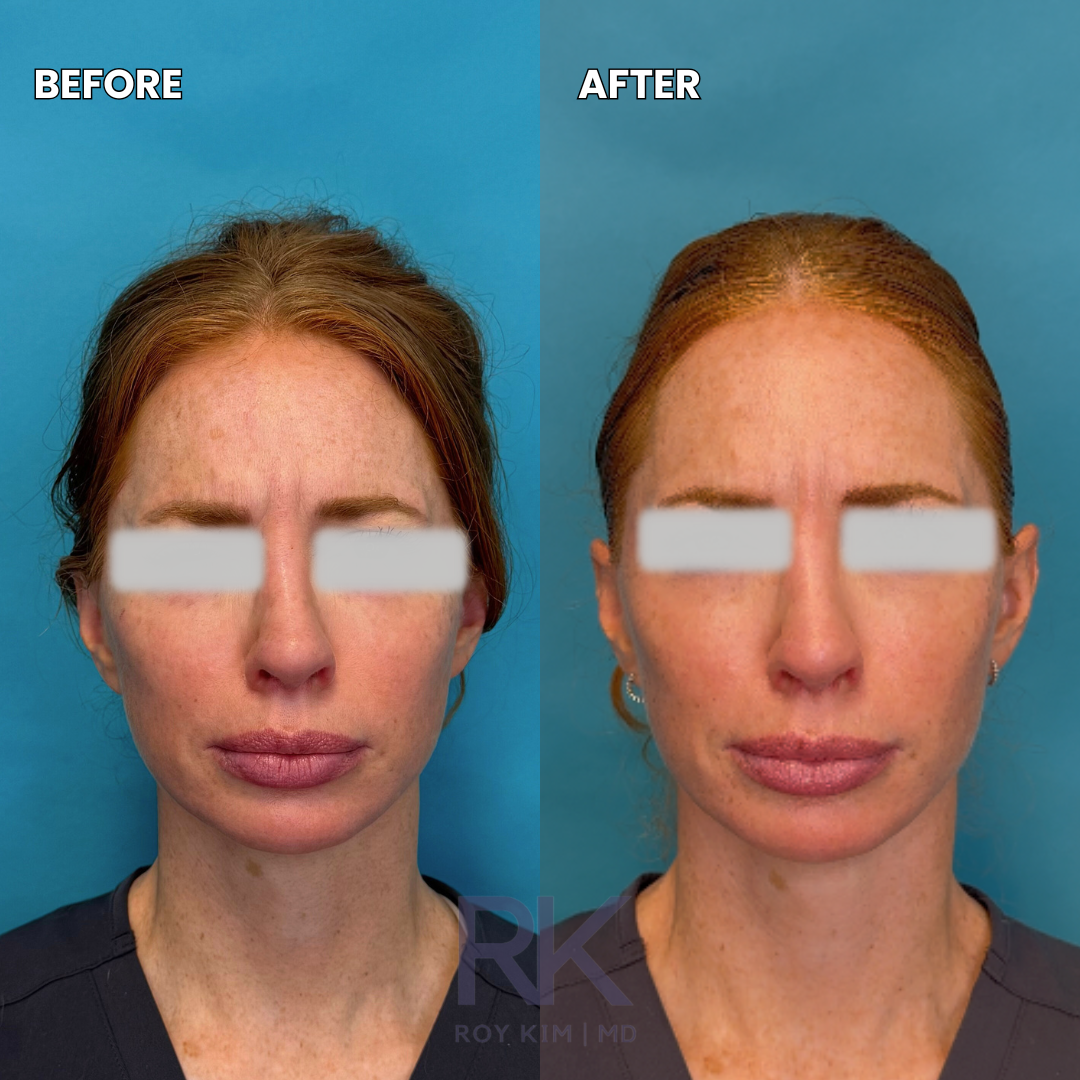
This is the most common misconception I correct. Patients ask for a “baby dose” or “a sprinkle” because they want to save money or fear looking frozen. I understand the hesitation, but the amount of product directly determines how long results hold.
When the FDA recommends 20 units for the glabellar complex (frown lines between your eyebrows) and we inject only 10, you’ll get a result. Movement stops. But it lasts for 3 months - instead of three or four months - because fewer receptors are blocked at the neuromuscular junction and your body regenerates those nerve endings constantly.
Picture painting over a dark wall. One thin coat looks fine for a day, but the old color bleeds through fast. Two solid coats hold. Dosing works the same way: adequate coverage gives lasting results, while skimping forces you back in the chair sooner.
Micro-dosing has its place for subtle refinements in areas where you want some natural movement. It’s the wrong strategy if longevity is your priority.
3. The Zinc Connection Most Patients Miss
Botulinum toxin belongs to a class of enzymes called zinc-dependent endopeptidases. The molecule needs zinc to bind effectively to your nerve endings, and if your body runs low on zinc, the product has a harder time doing its job.
A published study found that participants who took a specific combination of zinc and phytase (an enzyme that improves zinc absorption) before their injection saw extended duration in almost all cases. That effect makes biological sense. Give the enzyme what it needs, and it works more efficiently.
My usual recommendation is to start a zinc supplement a few days before your appointment and continue for a few days afterward. It’s a low-risk, low-cost variable worth controlling. That said, too much zinc creates its own problems, so stick to a standard daily dose rather than megadosing.
[READ HERE: Botox vs. Letybo: Comparing Your Neuromodulator Options]
If you’re noticing your results fading earlier than expected, it’s worth reviewing your dosing and timing with a board-certified plastic surgeon who’s managed neuromodulator treatments for over 25 years. Call my Alameda office at 415-362-1846 and we’ll look at your treatment history together.
4. Timing Your Appointments Matters More Than You Think
Waiting until Botox has completely worn off before rebooking is a common mistake, and here’s why it costs you.
Botox weakens the muscle by causing temporary atrophy, which is exactly the outcome we want. A weaker muscle doesn’t etch deep lines into skin, and when you maintain a regular schedule, the muscle never fully regains its bulk. Each session builds on the previous one.
Letting the product wear off for two extra months gives the muscle time to exercise itself. Every frown, every squint, every surprised eyebrow raise is a rep, and by the time you come back the muscle is at full strength. We’re starting from scratch.
Many of my long-term patients in Alameda find they stretch their intervals over time because consistent treatment trains the muscle to stay relaxed. I recommend booking your next appointment before you leave the office, catching the muscle while it’s still waking up rather than after it’s rebuilt.

5. Aftercare in the First 24 Hours
What you do immediately after injection affects how the product settles.
Don’t rub or press the treated area.
Avoid tight hats or headbands that press against the forehead.
Stay upright for four hours after treatment.
Skip heavy cardio for 24 hours.
Our goal is keeping the toxin exactly where I placed it, without migration to a neighboring muscle group. Evidence on exercise is mostly theoretical, but increased blood flow and vessel dilation might wash away product before full binding, and the risk isn’t worth taking when you paid for a quality treatment. Take a rest day and let the product settle.
One update worth noting: newer research from Northwestern University suggests that facial exercises, frowning and raising eyebrows, performed in the first few hours after injection improve uptake. Active muscles appear to absorb the toxin more efficiently, so I now tell patients it’s fine to make faces on the drive home.
6. Sun Damage Undermines Everything
The East Bay gets more sun than people expect, and patients in Alameda are often surprised how much UV exposure they accumulate on casual walks along the estuary or out on Crown Beach.
Botox stops the muscle from contracting, but it doesn’t repair the quality of the skin sitting on top. UV radiation breaks down collagen and elastin, thinning the dermis so that even minimal muscle movement shows through as creasing. Damaged skin wrinkles more easily no matter how well the underlying muscle is treated.
To get the most out of every neuromodulator session, improve the skin itself. I insist my patients commit to daily sun protection and a good retinoid like tretinoin, which thickens the dermis and builds resilience. When you pair strong skin care with Botox, the results look smoother for longer because the product doesn’t have to compensate for compromised skin.
Myths About Botox Longevity
“You need to stay completely still after injections.” Outdated advice. Current evidence suggests controlled facial expressions in the hours immediately after treatment improve toxin uptake rather than cause problems.
“Cheaper Botox lasts the same amount of time.” Heavily diluted or discounted product from non-specialized providers often means fewer units for the same price, which directly shortens duration. Ask how many units you’re receiving, not the total cost per area.
“If it wore off fast, it must be fake product.” In a licensed medical office, counterfeit product is extremely unlikely. Fast wear-off is almost always a dosing issue, a metabolism factor, or both.
Frequently Asked Questions
-
Sometimes. All FDA-approved neurotoxins use botulinum toxin type A, but they have different protein coatings. A small number of patients develop tolerance to the proteins in one brand over time, and their immune system breaks the product down faster. Switching to Xeomin (a “naked” toxin with no complexing proteins) or trying Letybo, which uses a different protein structure, often gives those receptors a fresh start.
-
Daxxify uses a peptide exchange technology designed specifically for extended duration. Some patients do see longer results in certain treatment areas, especially the masseter. For the forehead and glabella, the real-world average still falls closer to four months for most people. Treat the six-month claim as an outlier, not a baseline expectation.
-
Zinc deficiency is more common than most people realize. Even with a solid diet, absorption varies based on other factors. The supplement protocol studied was zinc combined with phytase (which improves absorption), started a few days before treatment. It’s inexpensive and low-risk enough to be worth trying, especially for patients whose results fade faster than average.
-
The product is identical. What changes is how many units are injected. Baby Botox uses deliberately low doses to preserve natural movement, which is a valid aesthetic choice, but it trades longevity for subtlety. Patients who want their results to last the full three to four months need adequate dosing.
-
Alcohol thins the blood temporarily, which increases bruising risk but has no proven effect on Botox duration. I recommend avoiding alcohol for 24 hours before treatment to minimize bruising, not because it impacts longevity.
-
If your results consistently fade before the three-month mark at what should be an adequate dose, we look at two possibilities. First is underdosing, which is straightforward to fix. Second is metabolic tolerance to a specific brand, which we address by rotating to an alternative neurotoxin. A conversation about your treatment history usually makes the answer clear.
Summary
Making Botox last longer isn’t about a single trick. It comes down to adequate dosing, zinc levels, consistent treatment intervals, responsible aftercare, and protecting your skin from UV damage. If you’re running the estuary trail five days a week in the Alameda sun, we adjust your plan to account for a faster metabolism and higher UV exposure. If you spend your workdays across the bay in a downtown office, your variables are different. The approach is always personalized to your biology and your lifestyle.
Schedule Your Consultation
If your Botox results are fading faster than expected, or you want to build a treatment plan designed for maximum duration,
Call 415-362-1846 or email info@drkim.com to set up a time.
San Francisco: 450 Sutter Street, Suite 1440, San Francisco, CA 94108
Alameda: 1403 Park Street, Alameda, CA 94501
Follow and Connect with me on my social media!