
What Lunchtime Injectables Work Best for Busy Alameda Professionals?
Overview
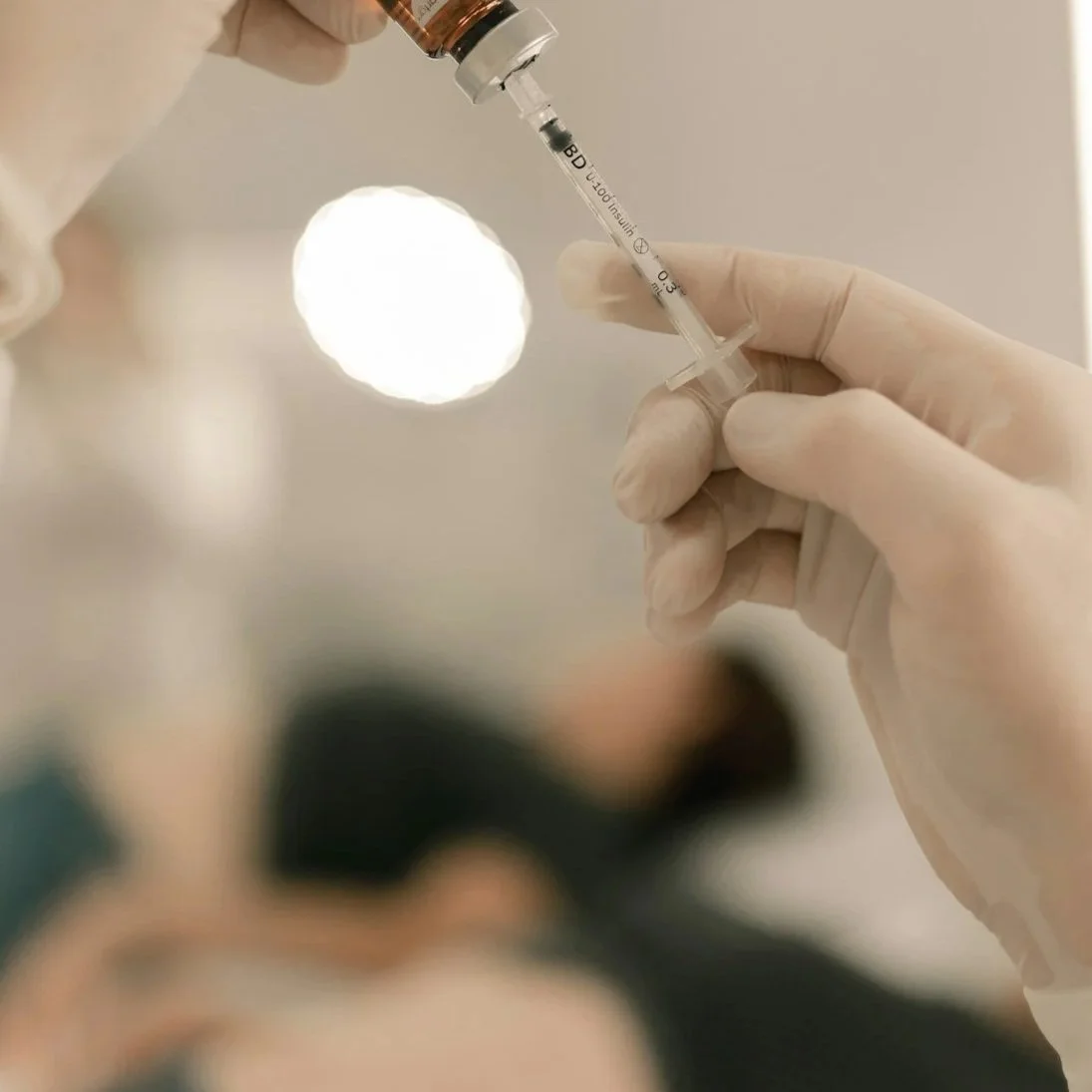
Yes, neuromodulator treatments fit into a standard lunch hour with time to spare. Most Botox appointments wrap up in under 30-45 minutes, and you'll walk out looking the same as when you walked in.
Dermal fillers work on a tighter timeline because swelling becomes a factor, so picking the right day and the right treatment area matters.
Speed and safety come down to your injector's command of facial anatomy, not cutting corners on technique.
Preparation on your end (skipping blood thinners, arriving with a clean face) shaves minutes off the appointment and reduces bruising risk.
1. What a Lunchtime Injection Appointment Looks Like in Practice
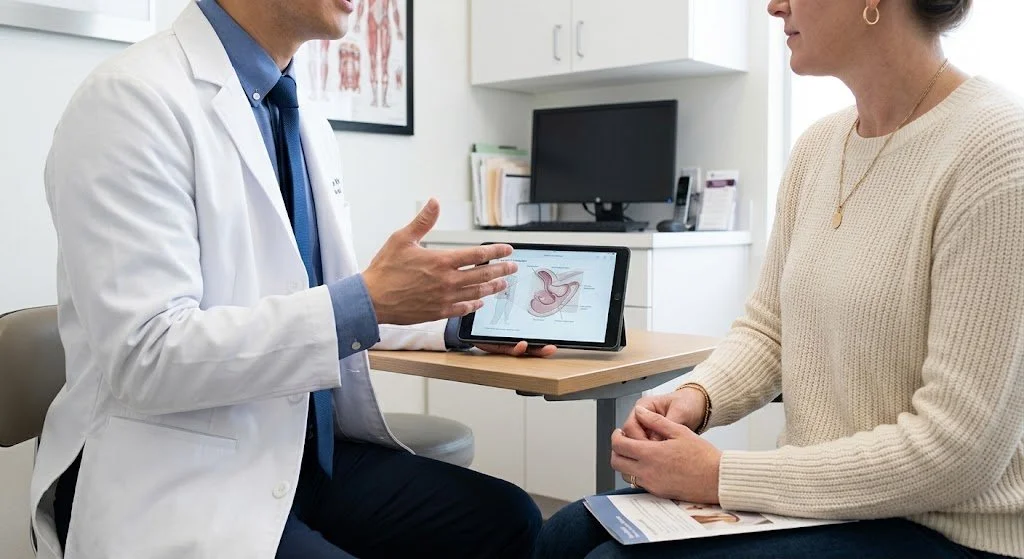
I see patients at my Park Street office who are squeezing treatment into a packed workday. They've got a meeting at one, a call at two, and they're hoping to fit Botox somewhere in between. The good news is that the actual injection time for a neuromodulator like Botox or Dysport runs about ten minutes. The rest of the visit covers cleaning the skin, reviewing your goals, and going over medical history if you're a first-time patient.
For returning patients who know what they want, the whole appointment often finishes in 15-30 minutes flat. I had a patient a few months back who works in tech near the Alameda waterfront. She assumed she'd be in the chair for an hour and was surprised when we wrapped up the injections in under fifteen minutes, giving her plenty of time to grab lunch on Park Street before her next call.
Efficiency matters, but rushing doesn't. I never compress the injection process itself, because precision is what separates a clean result from a complication.
[LINK: Botox vs. Dysport: Which Neuromodulator Is Right for You?]
2. Why Neuromodulators Are the True Lunchtime Treatment
Botox, Dysport, and newer options like Letybo all do the same thing: they relax the muscles creating dynamic wrinkles. No volume. No filler. That's the key difference, and it's the reason these treatments leave almost zero trace on your face when you walk out.
The needle is tiny, the marks look like small red dots that fade in twenty minutes, and nobody at your office is going to notice unless you announce it. I've had patients go straight into afternoon depositions, client pitches, and parent-teacher conferences without a second thought.
Aftercare is minimal:
Skip heavy exercise for the rest of the day
Stay upright for four hours after treatment
Don't rub your face or press on the treated areas
That's it. No ice packs, no bandages, no hiding at home. This is why quick Botox remains the most popular option for busy professionals across the East Bay.
3. Fillers Require More Planning Than Neuromodulators
Dermal fillers add volume under the skin to smooth deep lines or enhance features like cheeks, lips, and jawline contours. The injection itself is quick, but the side effects introduce a variable that neuromodulators don't.
Swelling happens. It's the body's natural response to both the needle and the product, and some areas swell more than others. Cheeks tend to handle filler well. You'll look a bit flushed, but you'll generally pass in a casual office environment without drawing attention.
Lips are a different story. I advise patients against lip filler on a lunch break if they've got a major presentation or video call that afternoon. The swelling is noticeable, and bruising is more common around the lip border. I had a patient who wanted lip filler before a video conference, and I told her to wait until Friday afternoon. She appreciated the honesty once she saw how her lips looked the next morning.
If you want filler during a workday, pick a day without high-stakes meetings, or choose an area like the temples or jawline where swelling stays minimal.
4. Managing Bruising Before It Becomes a Problem
Bruising is the main concern for anyone getting lunchtime injections, and I'll be straightforward: even with twenty-five years of experience, there's no guarantee you won't bruise. A bruise is a broken blood vessel, and it happens to everyone at some point.
What I do control is technique. I work under good lighting, check for visible veins before placing the needle, and apply pressure immediately after exiting the skin. Those steps reduce bruising significantly, but your preparation plays a role too.
Stop taking blood thinners at least a week before your appointment: aspirin, ibuprofen, fish oil, and vitamin E all count. Alcohol the night before increases bleeding risk as well. If you're prone to bruising, let me know ahead of time and we'll take extra precautions, including icing the area before and after.
One reassuring detail: bruises from injectable treatments rarely show up immediately. They tend to appear later that evening or the next morning, so you'll almost always finish your workday without anyone noticing.
Thinking about fitting injectables into your schedule? Call 415-362-1846 to set up a quick consultation at our Alameda office on Park Street.
5. Why Your Injector's Background Determines Your Appointment Speed
There's no shortage of med spas and injection clinics across the East Bay, and every one of them promotes speed. But speed without anatomical knowledge is how people end up with droopy eyelids and lopsided smiles that take months to resolve.
I'm a board-certified plastic surgeon. I've spent years studying the layers of the face, and I know where the nerves and major blood vessels sit without needing to check a diagram. That means I don't hesitate mid-injection, and I don't second-guess needle depth. The result is a shorter appointment and a lower complication rate, which is the whole point.
An inexperienced injector might go slow out of uncertainty, or rush through out of overconfidence. Both cost you. Filler placed in the wrong tissue plane creates lumps that need dissolving. Botox placed too close to the wrong muscle group gives you a frozen look nobody asked for. Getting it right the first time is always faster than coming back to fix a mistake.
6. Combining Treatments to Maximize a Single Visit
If you're already in the chair and numbing cream is already on, it makes sense to address multiple concerns at once. I do this regularly with my Alameda patients who are working on tight schedules.
A common combination is Botox for forehead lines and crow's feet paired with a small amount of filler in the cheeks. This "liquid refresh" brightens the upper face while lifting the mid-face, and the entire process runs about forty-five minutes. You look like you slept well and had a relaxing weekend, not like you had work done.
I focus on high-impact areas during these combination visits. Relaxing the frown lines between the eyebrows knocks out that "constantly stressed" look, and adding subtle volume to the cheeks corrects the "haven't slept in three days" look. Small changes, done well, add up to a noticeable difference.
Myths About Lunchtime Treatments
"Lunchtime procedure" means zero downtime. Close, but not quite. Botox comes about as close to zero downtime as anything in aesthetics, but fillers involve swelling that varies by area. "Minimal downtime" is honest. "Zero downtime" is marketing.
Faster injectors are better injectors. No. Full stop. A ten-minute injection placed correctly beats a five-minute injection in the wrong spot every time.
You'll see full results by the time you get back to your desk. Botox takes 5 to 7 days to reach full effect. Fillers look their best once swelling subsides, usually about a week later. What you see at your desk is the starting point. The final result shows up at home in the mirror a week from now, and it's worth the wait.
Frequently Asked Questions
-
Redness from Botox typically fades within 15 to 30 minutes. The injection points are small, they look like tiny bug bites, and most patients touch up with a bit of powder and head straight back to work. Filler injections produce redness that lasts an hour or two depending on the area treated. I apply ice immediately after treatment to help bring it down.
-
Yes. There's no sedation involved. We use topical numbing cream or ice, so you're fully alert and fine to drive right away.
-
Video meetings are a non-issue. Camera resolution doesn't pick up minor redness. In-person meetings with clients are trickier if you're self-conscious about pinpoint marks. I recommend giving yourself a one-hour buffer if you need to look polished, and scheduling late in the afternoon works well for patients with packed calendars.
-
Arrive with a clean face if you're able to. If you're wearing makeup, we'll remove it at the injection sites, which adds a few minutes. Stop blood-thinning medications and supplements a week in advance. If you're a new patient, fill out your paperwork online before you come in so we spend the full appointment focused on treatment, not forms.
-
Most patients describe Botox as a slight pinch that lasts a second or two per injection site. Fillers involve more pressure, but we use numbing cream or lidocaine mixed directly into the product to keep discomfort low. The whole injection process is brief enough that most people are surprised when I tell them we're finished.
-
Botox and similar neuromodulators last about three to four months. Fillers last longer, typically six months to over a year depending on the product and the treatment area. Maintenance appointments are even faster than the first visit because we already know your anatomy and your preferences.
Summary
Lunchtime injectable treatments are a practical option for busy professionals on the Island and across the East Bay. Neuromodulators like Botox offer the fastest turnaround with the least visible evidence of treatment. Fillers work too, but they need more strategic timing to account for swelling. Your preparation, your choice of injector, and the day you pick all play a role in making a mid-day appointment seamless. A board-certified plastic surgeon with deep knowledge of facial anatomy will keep the appointment short without cutting corners on safety or results.
Book Your Consultation with Dr. Roy Kim
If you're interested in Baby Botox, I'd like to see your facial anatomy in person and walk you through a dosing plan tailored to your goals.
San Francisco: 450 Sutter Street, Suite 1440, San Francisco, CA 94108
Alameda: 1403 Park Street, Alameda, CA 94501
Call 415-362-1846 or email info@drkim.com to set up a time.
Follow and Connect with me on my social media!